
Know Your Numbers
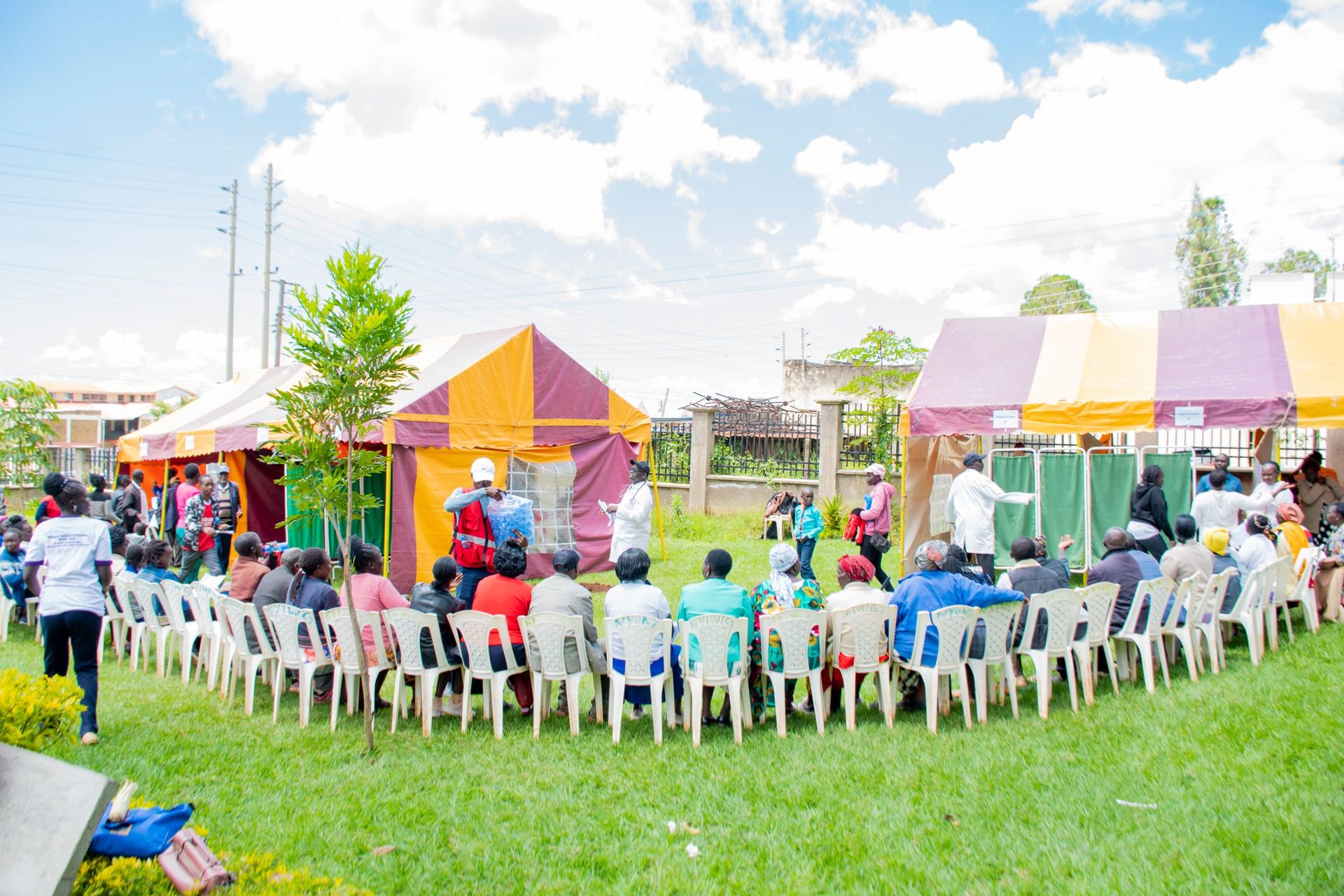
Health education and free screening for diabetes and high blood pressure, brought to where people live.
Read more →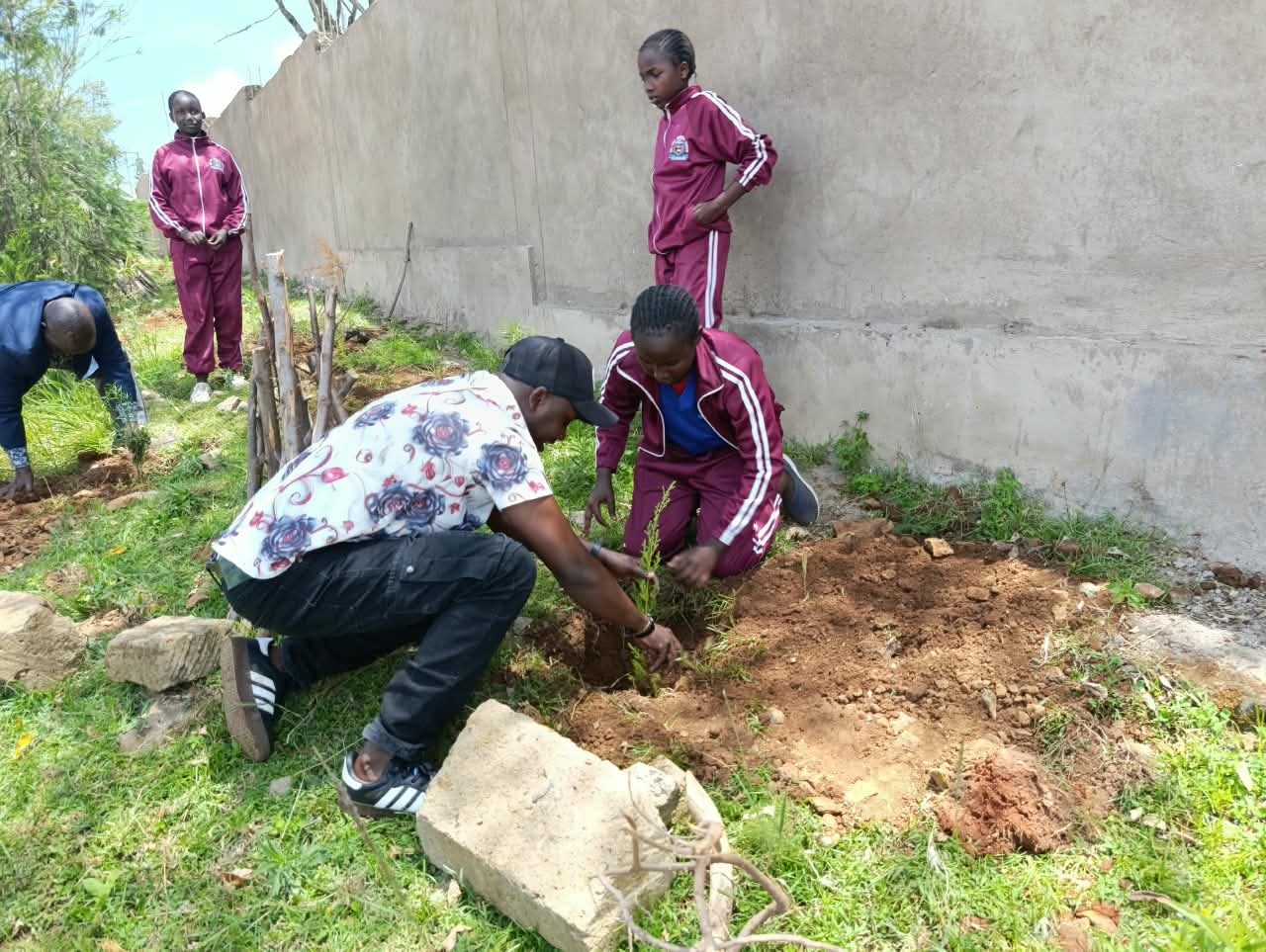
Home / What We Do / Climate Action: Tree Planting
Climate Action · Where It All BeganBefore there were health outreaches or Pad Banks, our founder went back to the primary school where his own education began, with seedlings, a shovel and a lesson about the land his classmates' children will inherit.
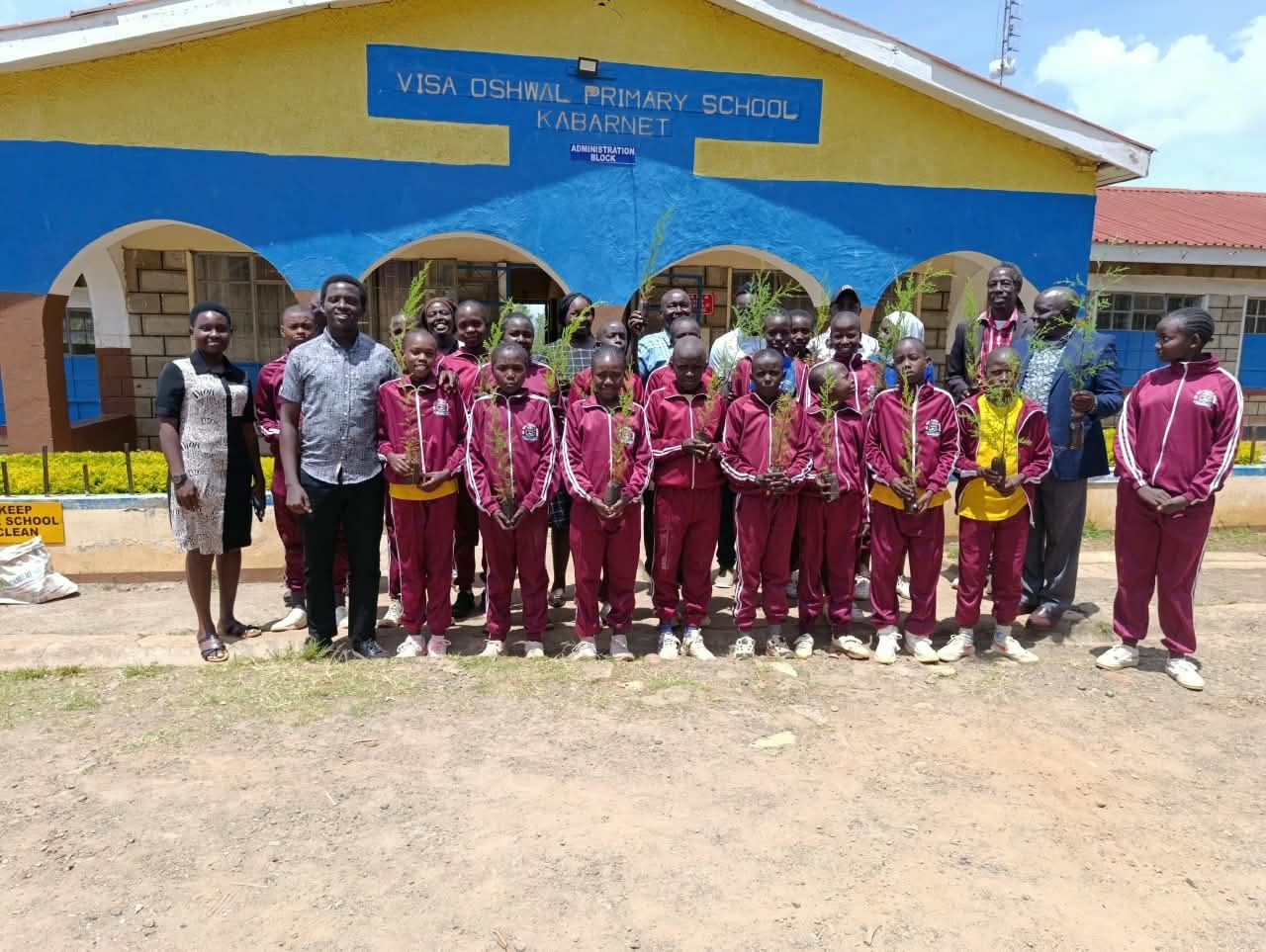
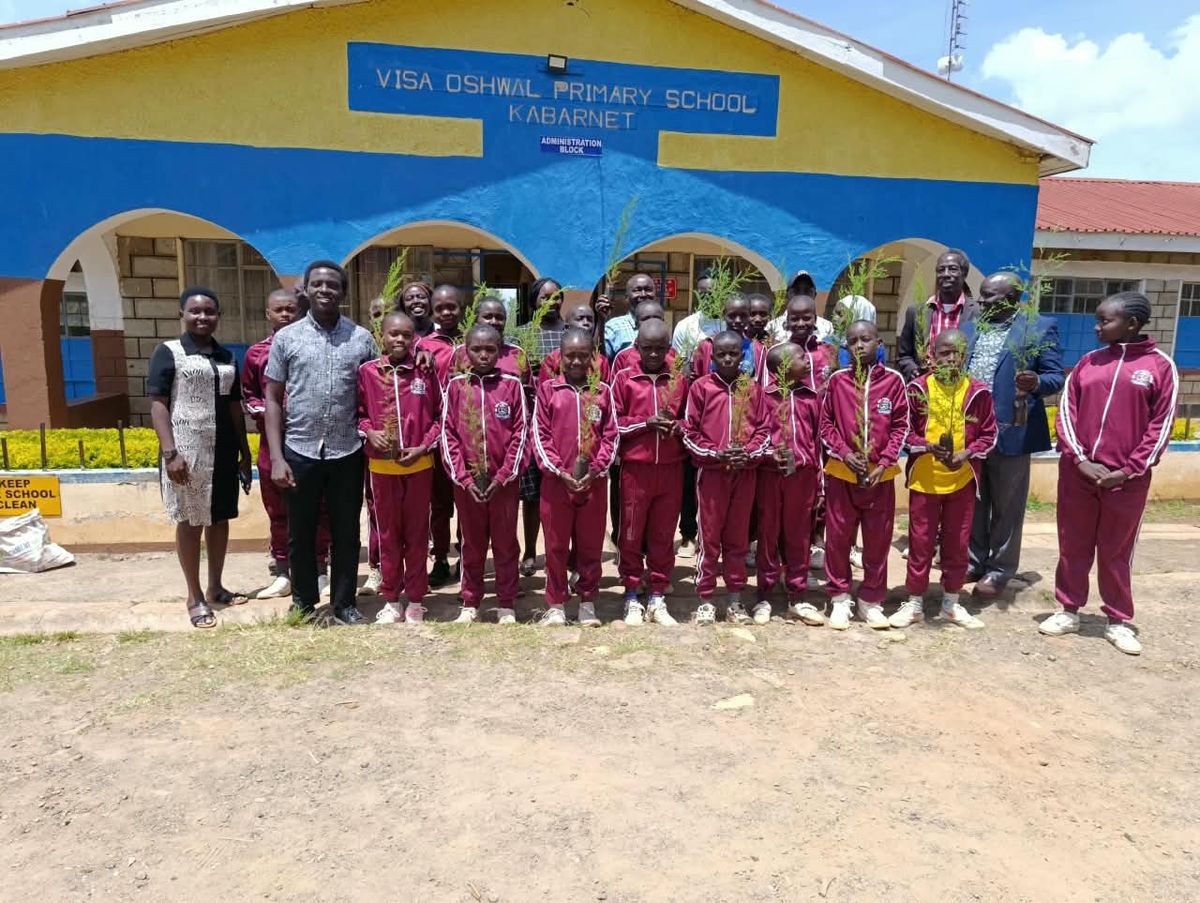
Every organisation has a first step. Ours was taken on familiar ground: the dusty compound of A.I.C Visa Oshwal Primary School in Kabarnet, where Impact Jamii's founder, Dr. Bramuel Koech, once sat in class. Coming back years later, not as a pupil but as the person leading a tree-planting day, was a simple way of saying something we still believe: lasting change starts with the places and people that raised you.
Some journeys bring you back to where it all began.
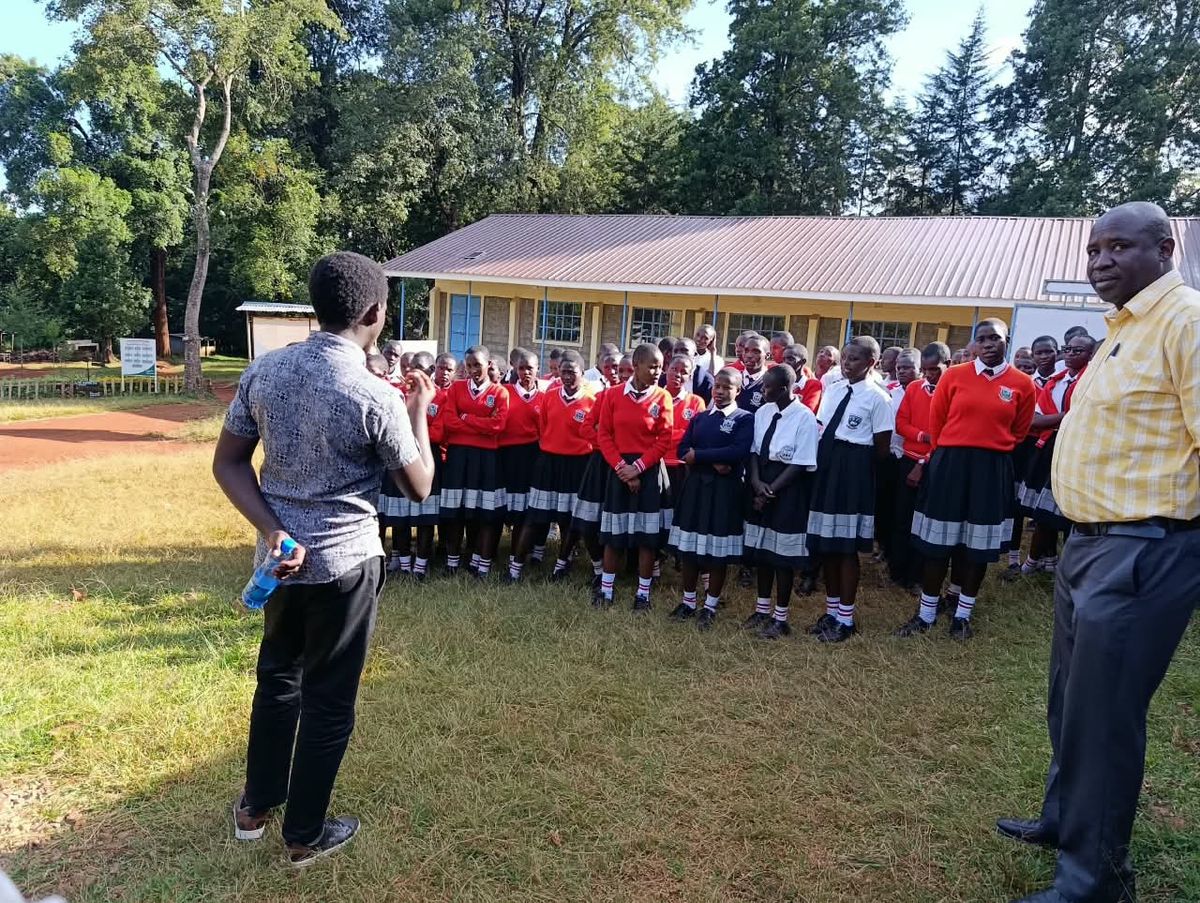
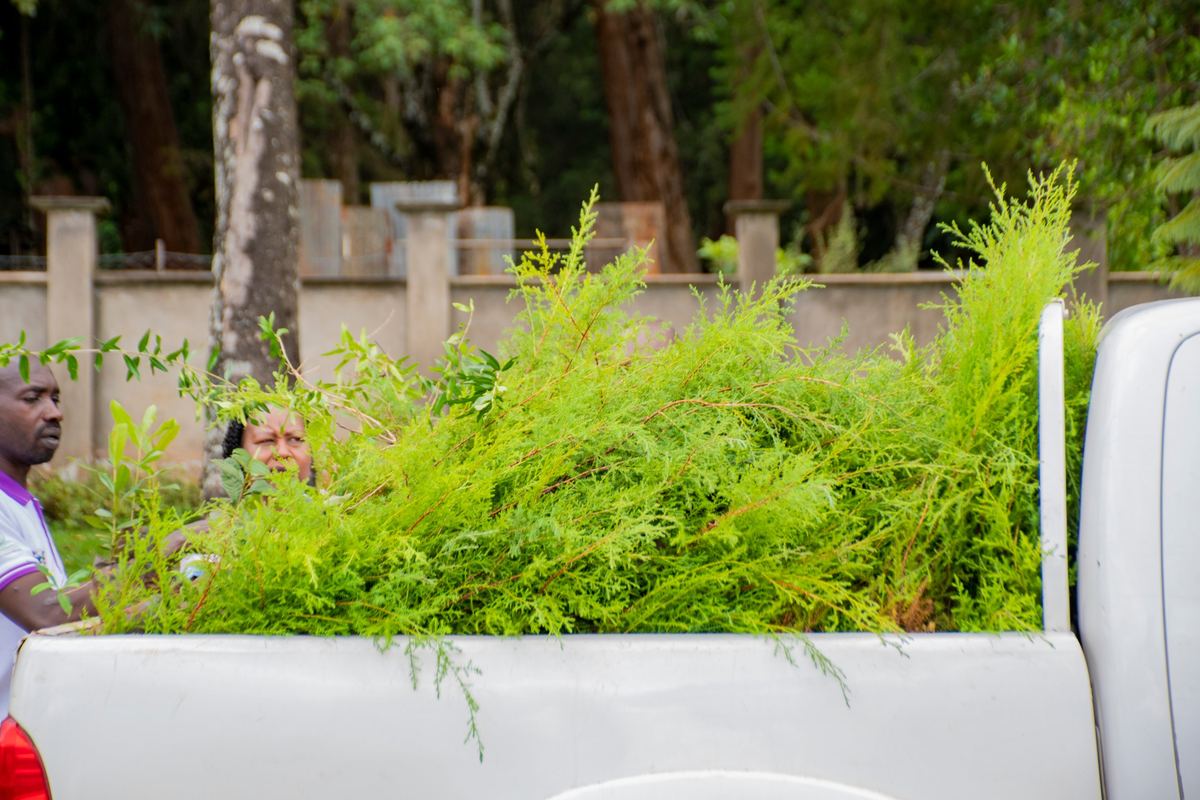
Our first project took us back to A.I.C Visa Oshwal Primary School, where our founder once sat as a learner. This time, he returned with seedlings, a team, and a simple intention: to give something back to the place that helped shape him.
Learners in maroon tracksuits lined up in front of the blue-and-yellow administration block, holding seedlings almost as tall as they were.
Sometimes, change begins by going home.
Before the shovels hit the ground, we had a conversation.
We talked about the dry years that left pasture bare, the rising waters of Lake Baringo that swallowed homes and schools, the gullies eating into the Kerio Valley, and the role trees play in protecting the land. The learners didn't need distant examples. They had seen these changes right here in Baringo.[2]
The lesson was simple: caring for the environment isn't someone else's responsibility. It starts with us.
Short, practical lessons that learners can repeat to their families, and that still make sense long after the planting day is over.
Tree roots bind soil together, so rain soaks in instead of washing the topsoil, and the farm's fertility, down the slope.
Ask at home: where does our soil go when it rains?Shade cools the ground and leaf litter keeps it moist, helping water sink in and slowing how fast the land dries out after rain.
Notice: is the ground cooler under a tree?Trees take in carbon dioxide, trap dust and block wind, which makes a school compound healthier and more comfortable to learn in.
Find the coolest spot in the school compound.Many young trees die in their first dry season, from thirst or hungry goats. Watering and a ring of sticks around each seedling make the difference.
Who will water it during the holidays?Indigenous trees suit the local soil and rain. Fruit trees add nutrition and income. Invasive species like Prosopis can take over grazing land, so what we plant matters.[2]
Name one tree that has always grown here.Kenya's tree campaign has learned that survival, not planting, is the real challenge. A tree only counts if it is still alive years later.[3]
Visit your tree once a week.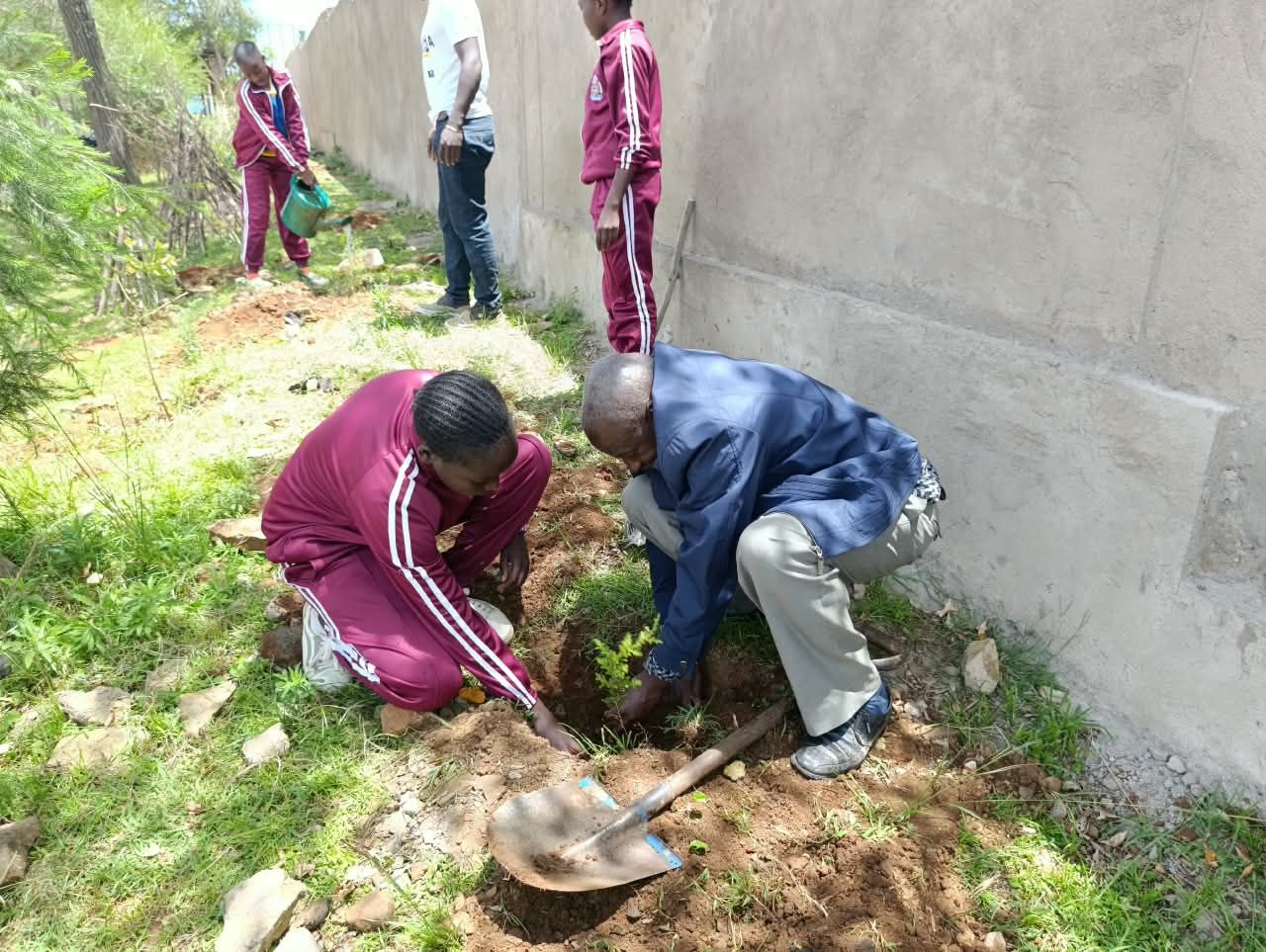
Then came the fun part: getting our hands dirty.
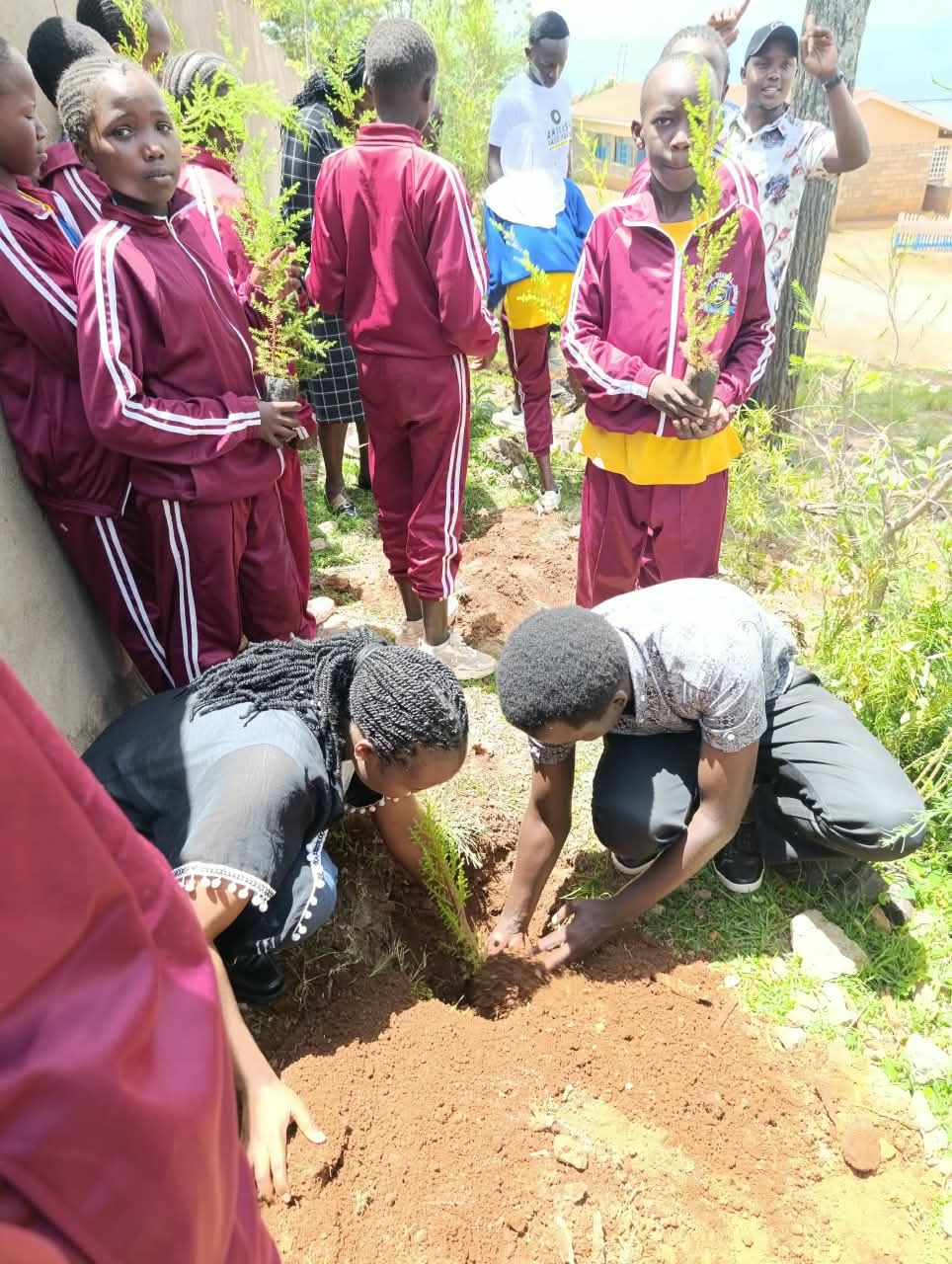
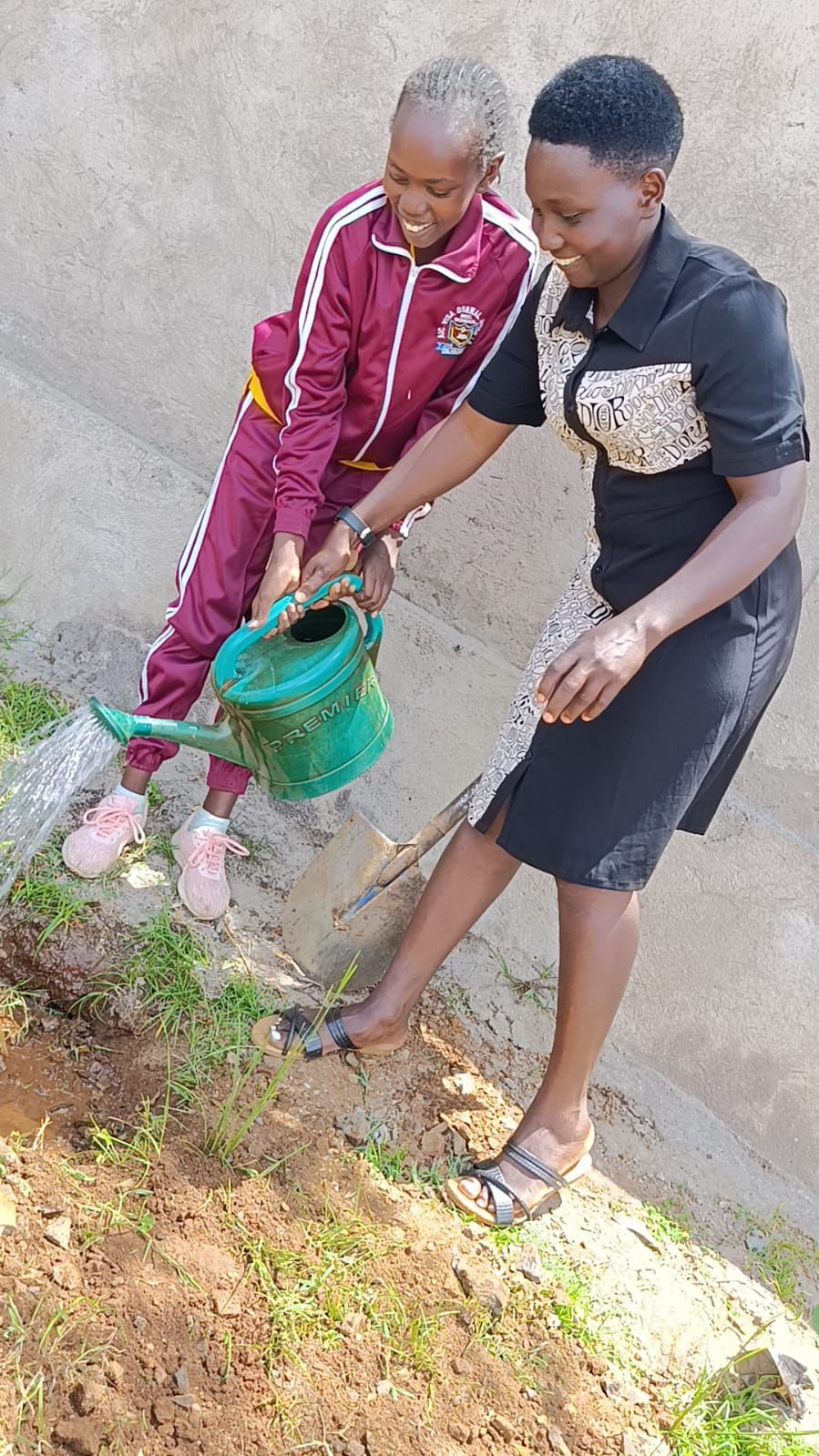
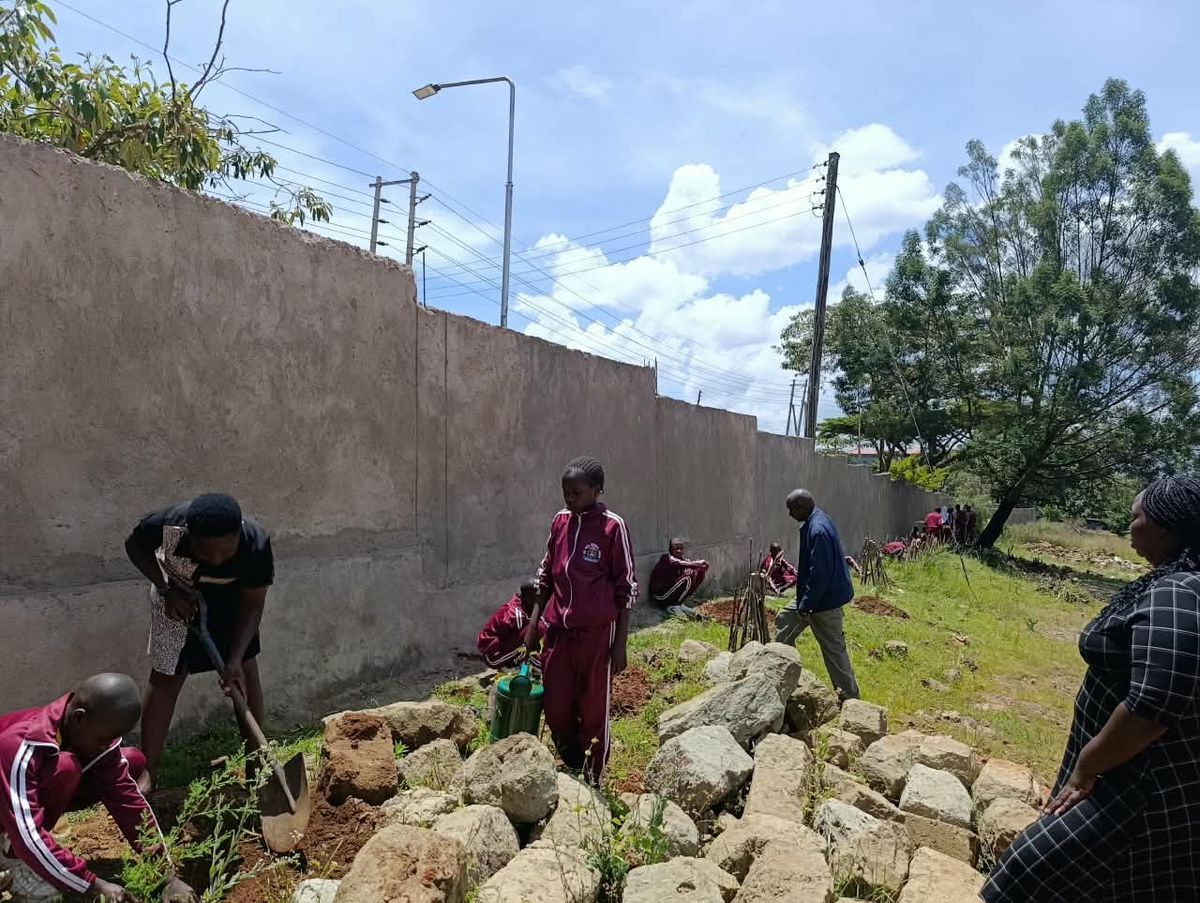
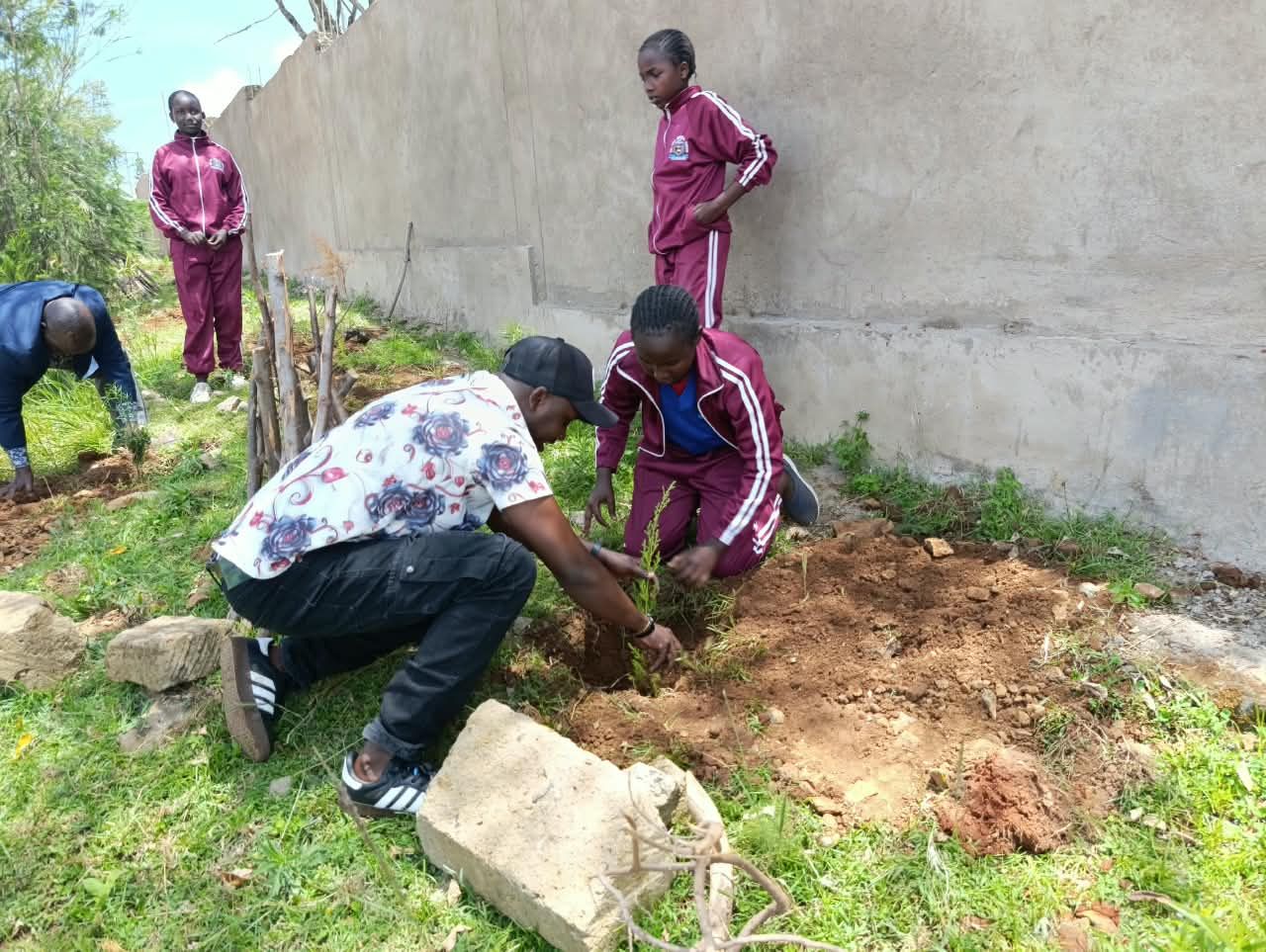
Learners, teachers and our team dug, planted, watered and protected each seedling. Along the school wall, small trees began finding their place in the ground.
Every seedling had a pair of hands behind it, and a young person who will one day come back to see it grown.
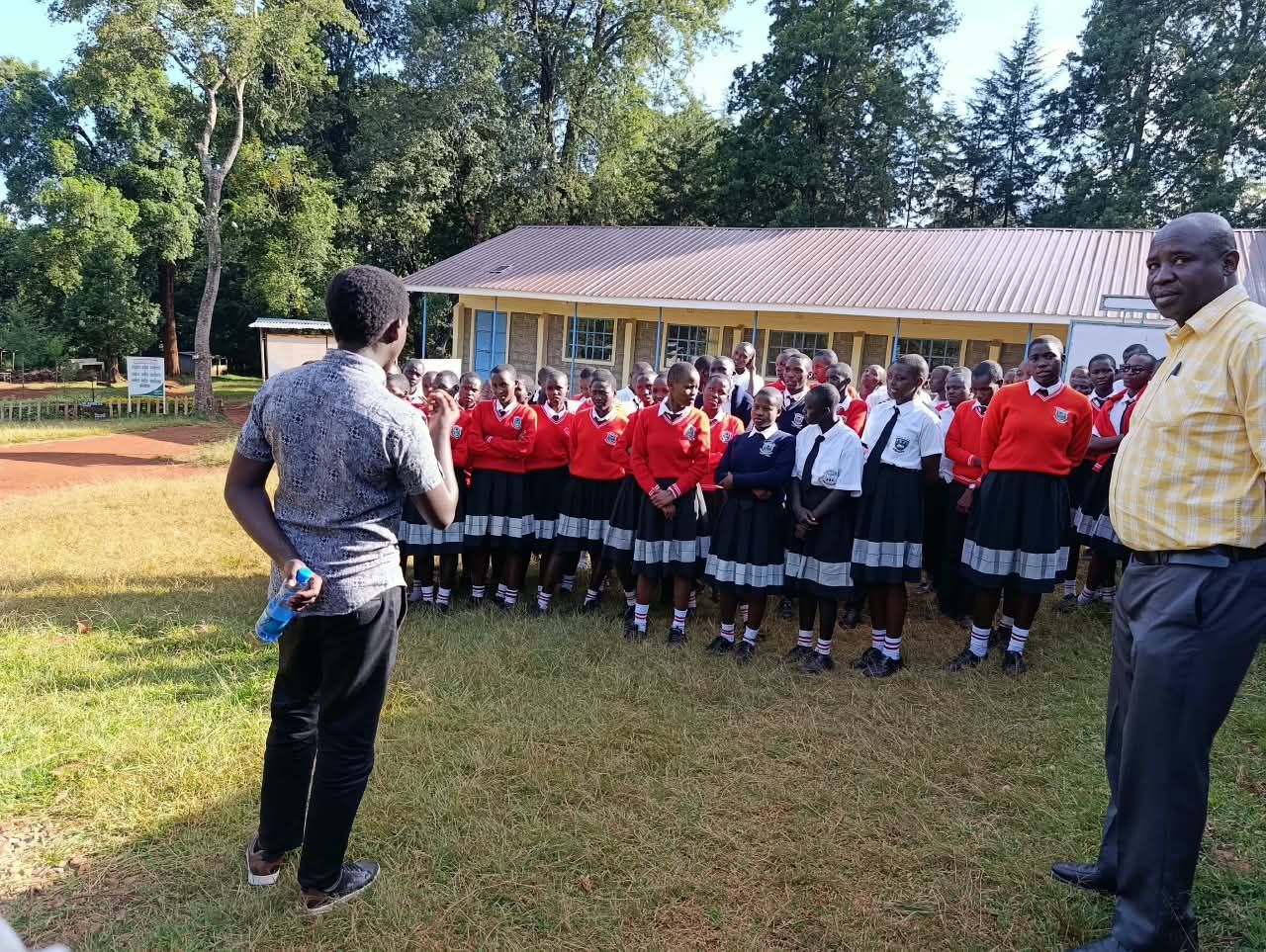
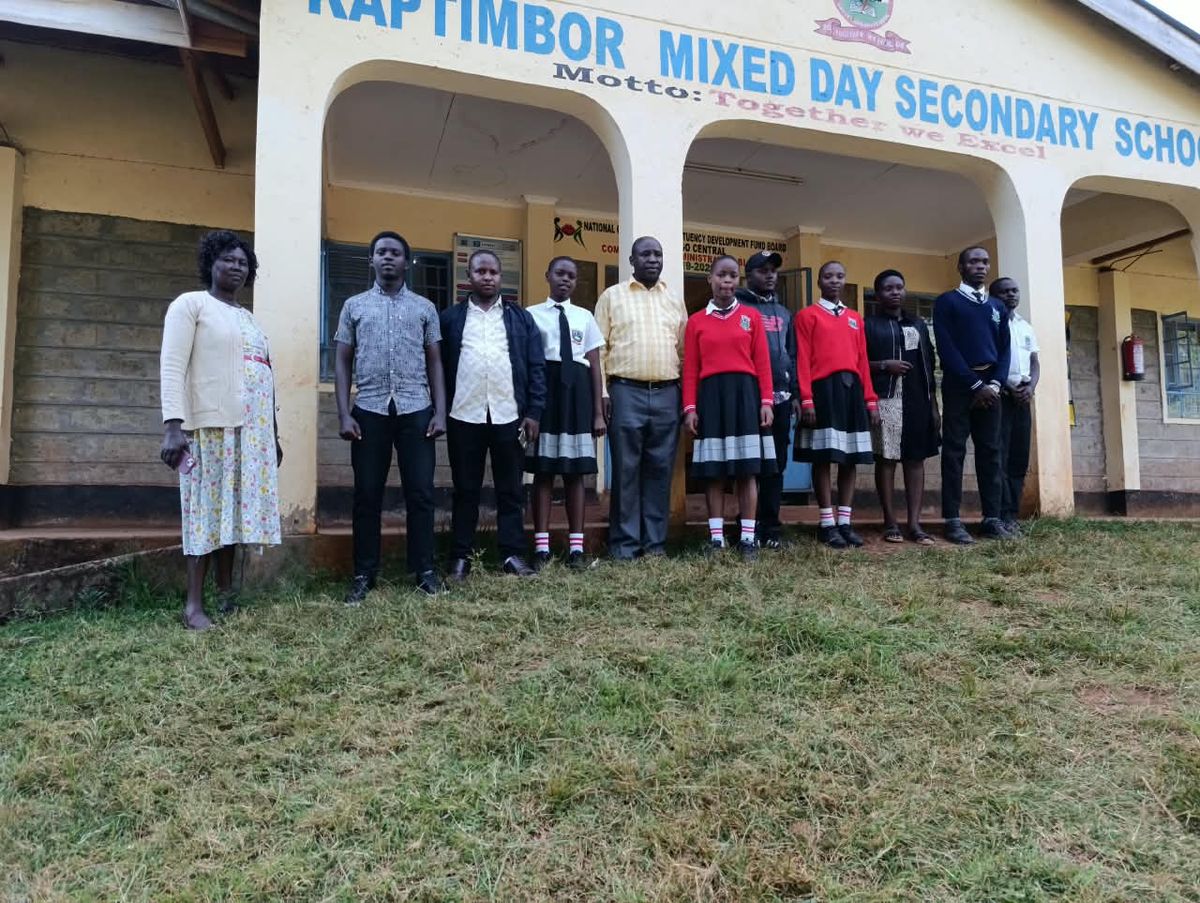
At Kaptimbor, the message was bigger than the seedlings.
The words painted above Kaptimbor's classrooms say it best: Together we Excel. We spoke about the future of our land, the responsibility of young people, and the role they can play in shaping a greener Baringo.
The trees may be young, but the responsibility they represent is already ours.
We did not just plant trees in two schools. We planted the idea that a young person in Baringo can change the land they live on.Impact Jamii
The trees didn't stop at the school gates.
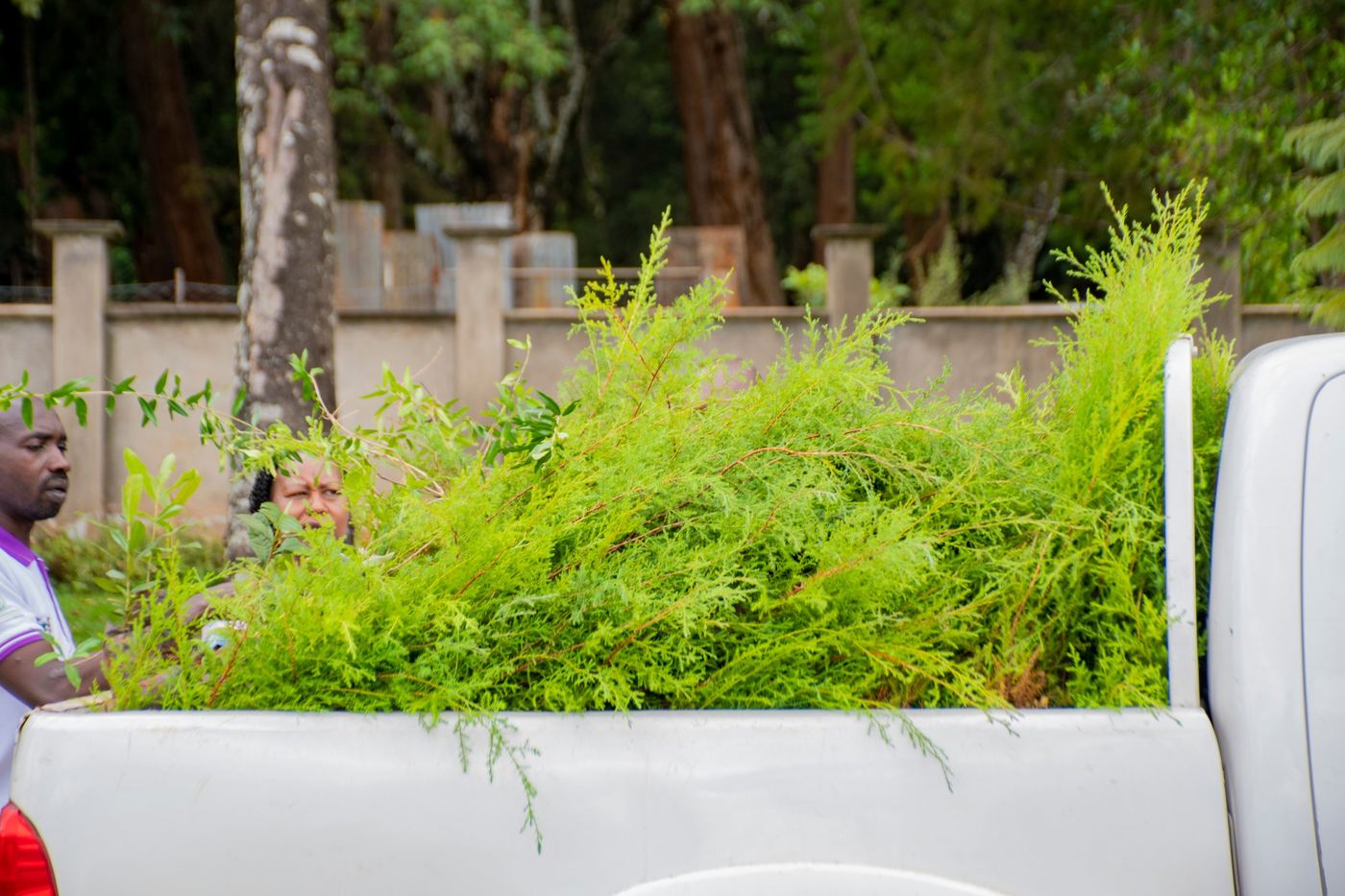
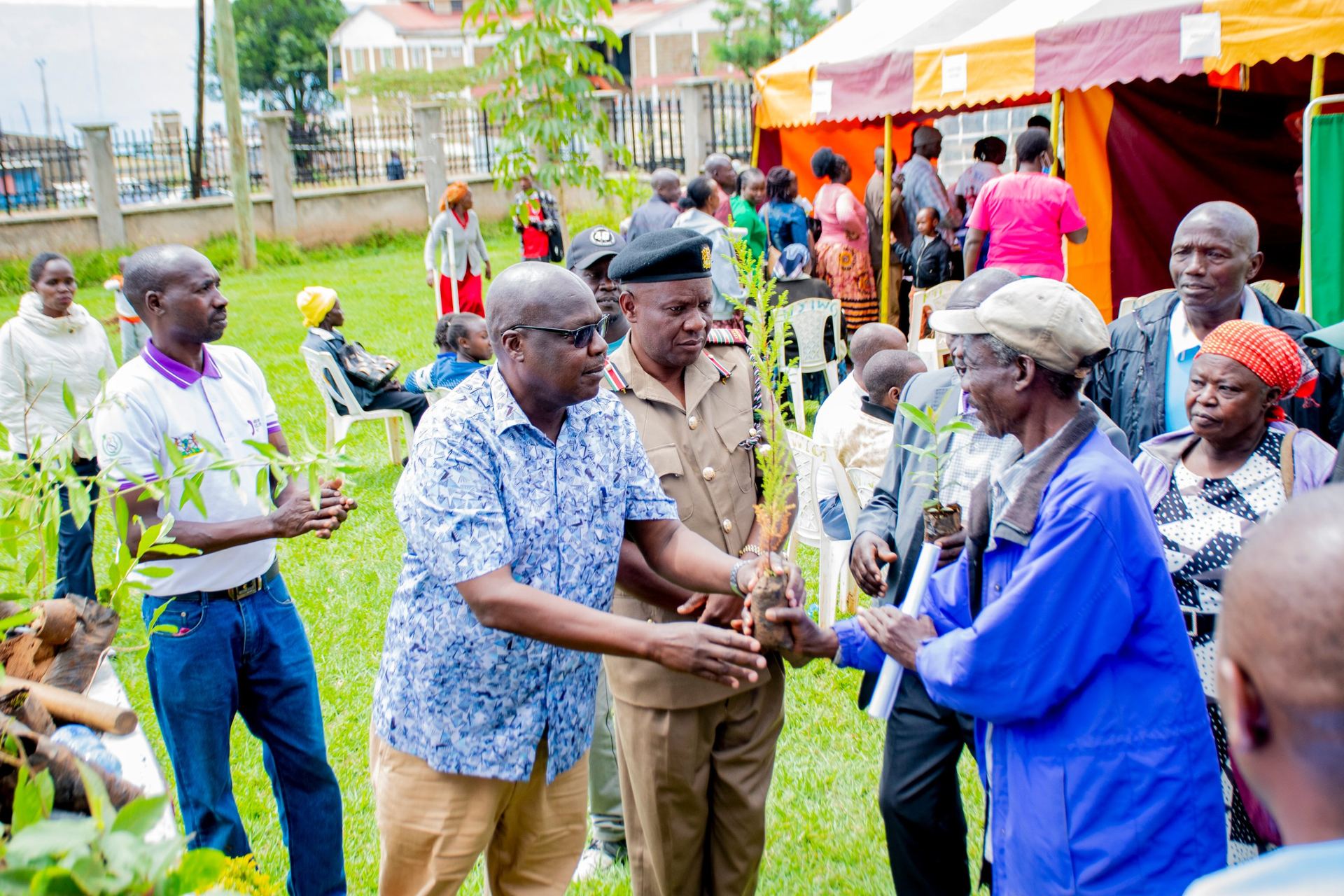
During our Health and Wellness Campaign at Kabarnet Park on 10 October 2025, also Kenya's national tree-growing day, residents came for health checks and left with seedlings of their own. One small act of care for the body, another for the environment.
Because a healthier community needs more than healthy people. It needs a healthy place to live.
Tap any photo to see it larger.
A seedling in the ground is a promise, not a finish line. It needs water through the dry months, protection from goats, and someone who checks on it long after the planting day is over. That is the responsibility we hope every young person in Baringo will carry: for their trees, for their land, and for the community that raised them.
Breathing life into the future.
Return to your old school, donate seedlings, or help us look after the trees already planted.
Health education and free screening for diabetes and high blood pressure, brought to where people live.
Read more →
Safe spaces where young people speak openly, learn coping skills and find their way to help.
Read more →Keeping sanitary pads stocked inside boarding schools so no girl misses a day of learning.
Read more →