
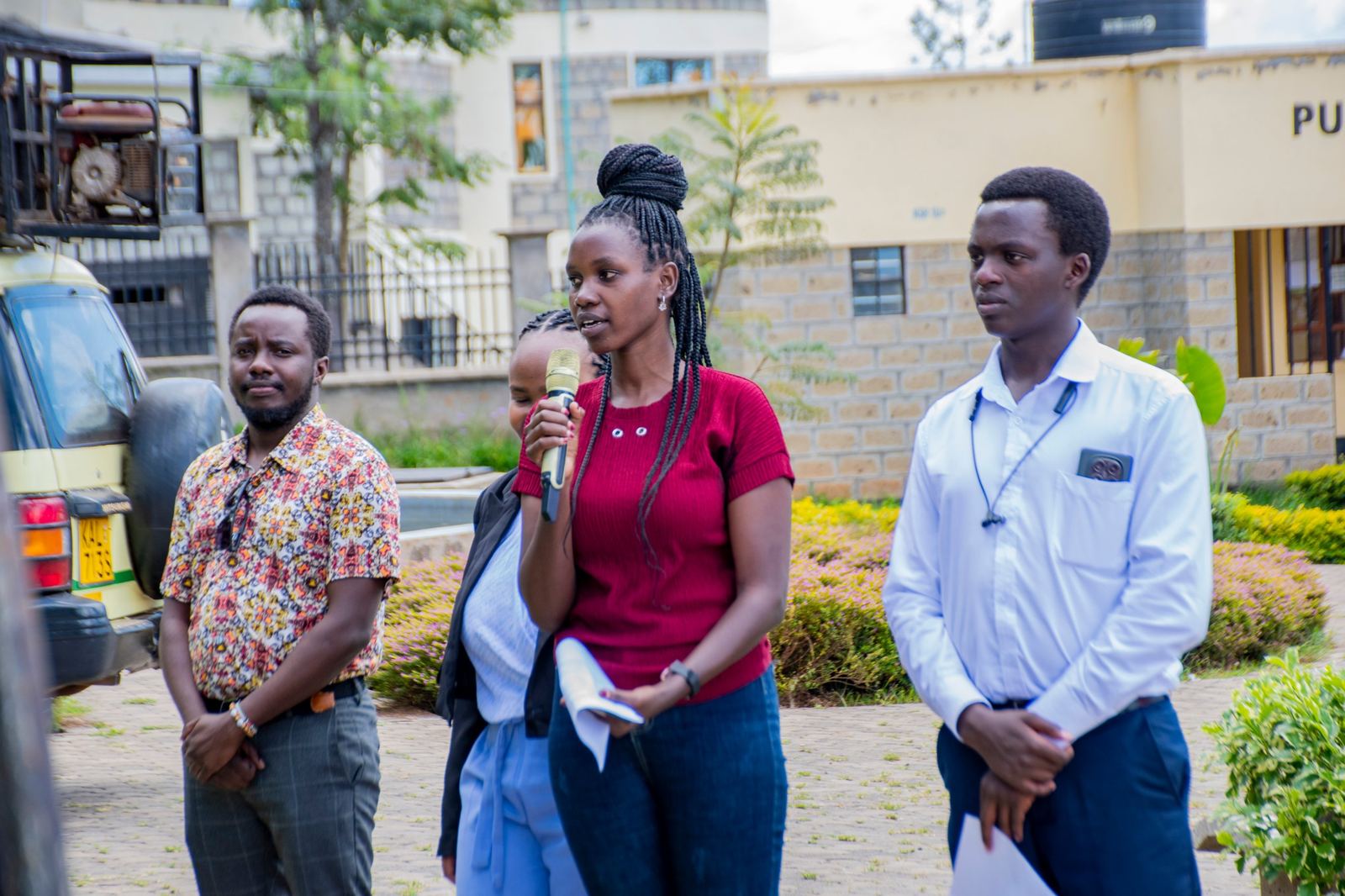
Let's Talk: Youth Mental Health
Safe spaces where young people speak openly, learn coping skills and find their way to help.
Read more →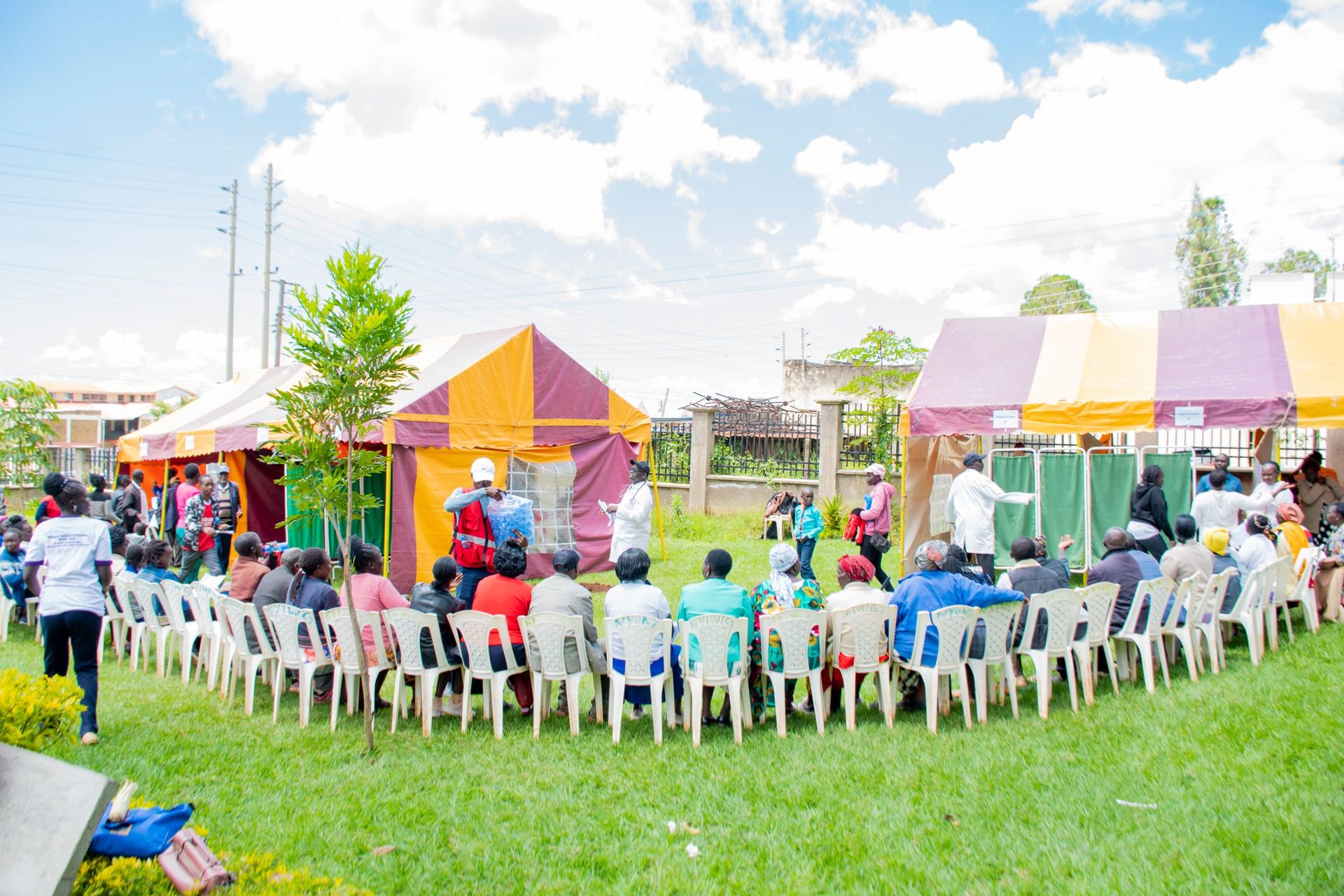
Home / What We Do / Diabetes & Blood Pressure Education
Access to Care & NCDsHigh blood pressure and diabetes rarely announce themselves. By the time they do, it is often as a stroke, a heart attack or failing kidneys. Our answer is simple: bring the check, the knowledge and the next step to where people already are.
Ask a grandmother in Baringo whether she has high blood pressure, and the most honest answer is often, "I don't know. Nobody has ever checked." She is not alone. In Kenya's national health survey, most adults with hypertension had no idea they had it, and only a small fraction had it under control. That silence is what our health education work is built to break.
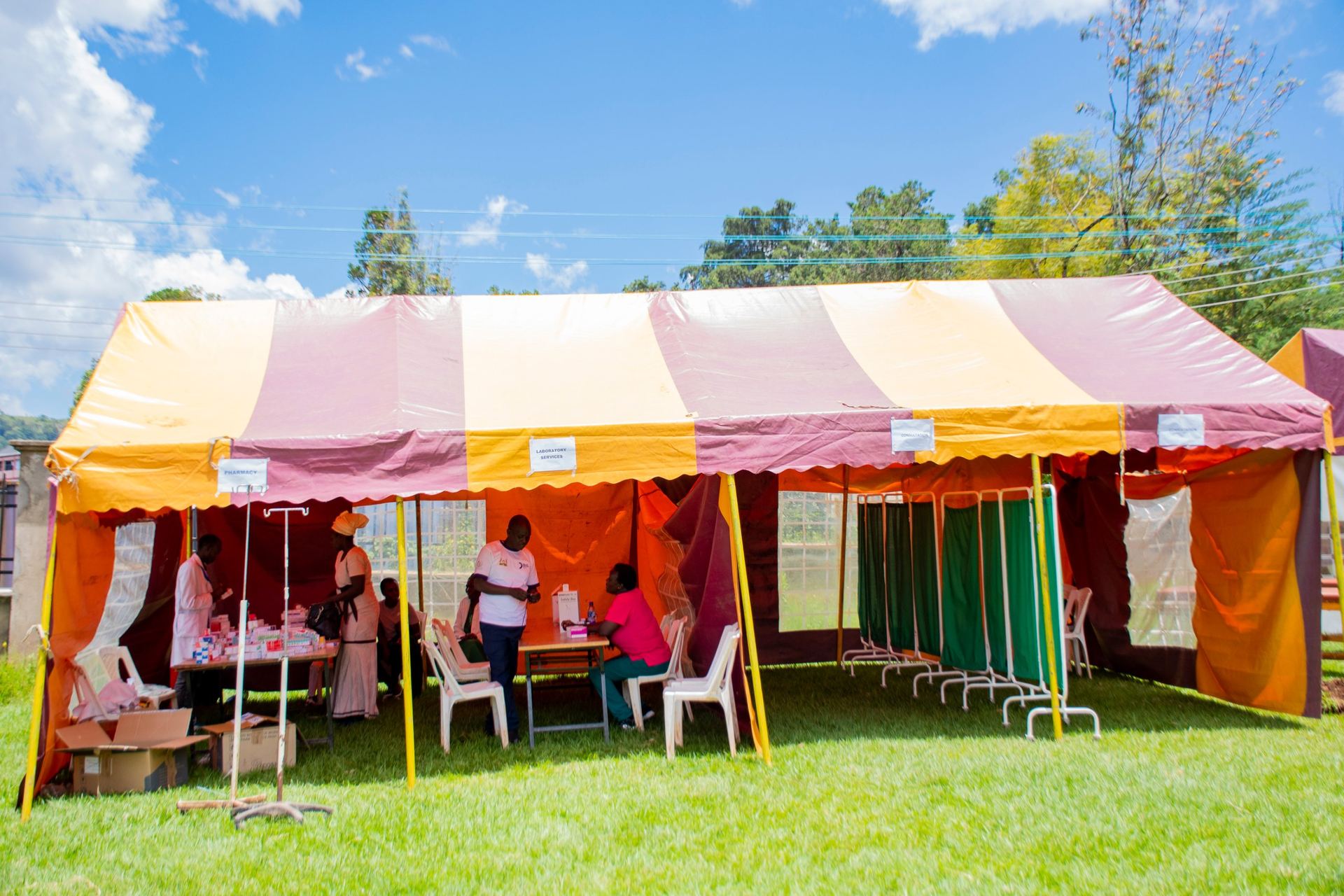
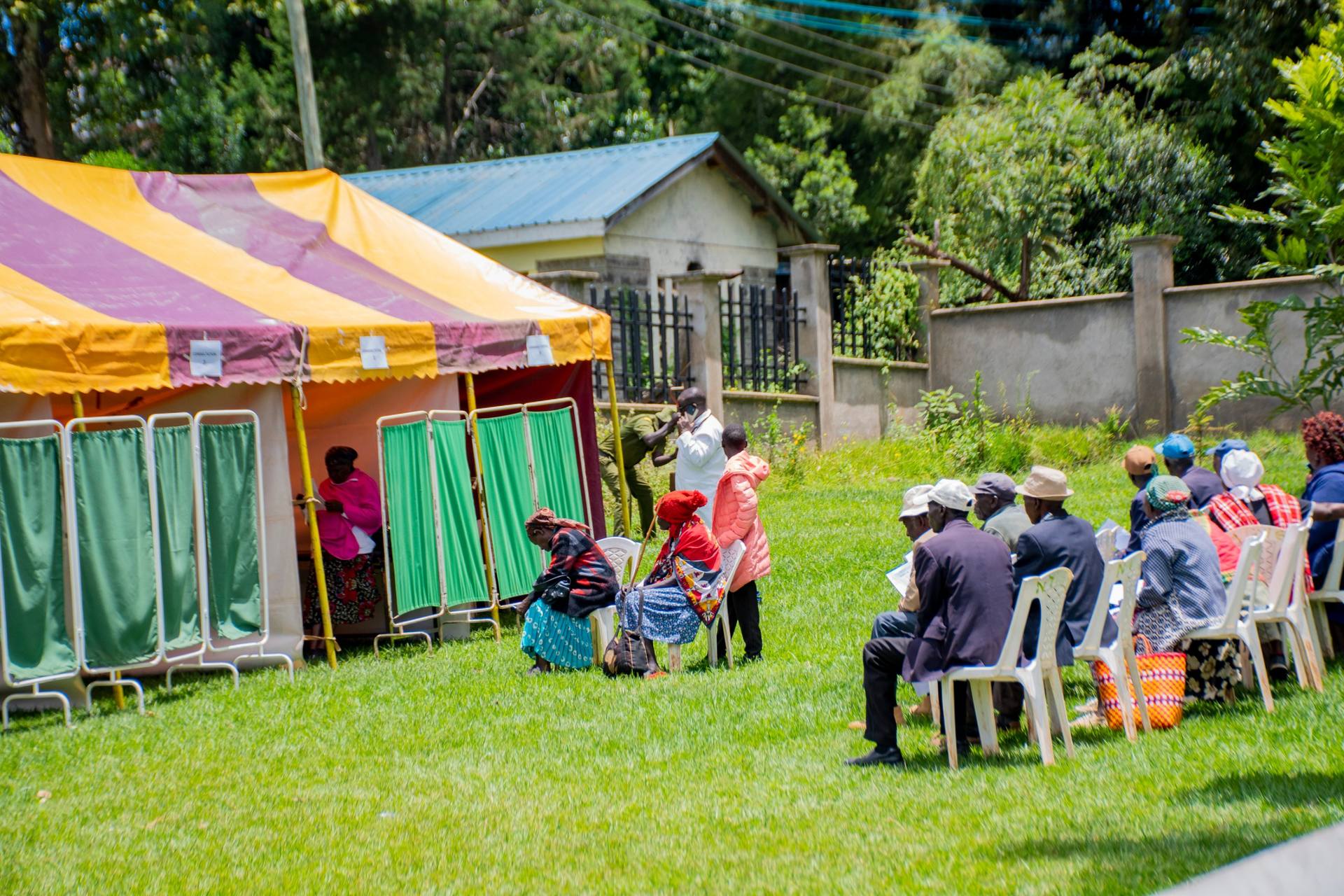
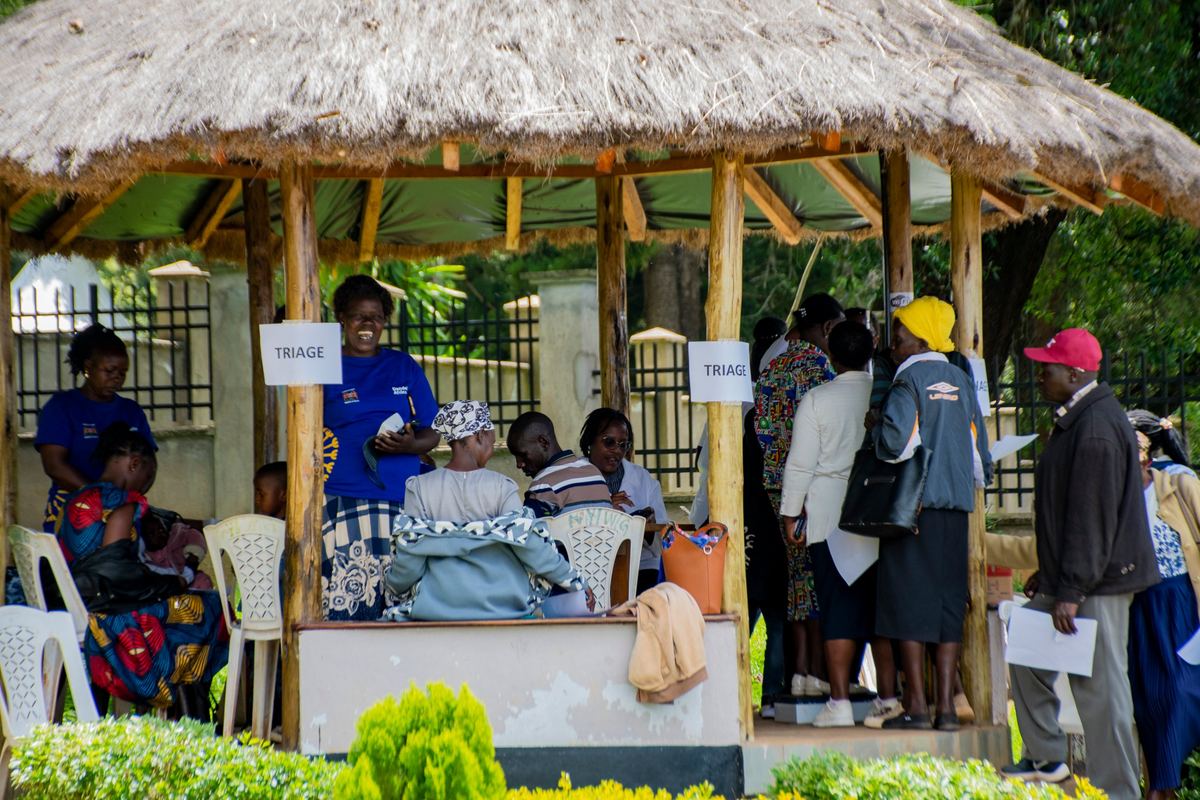
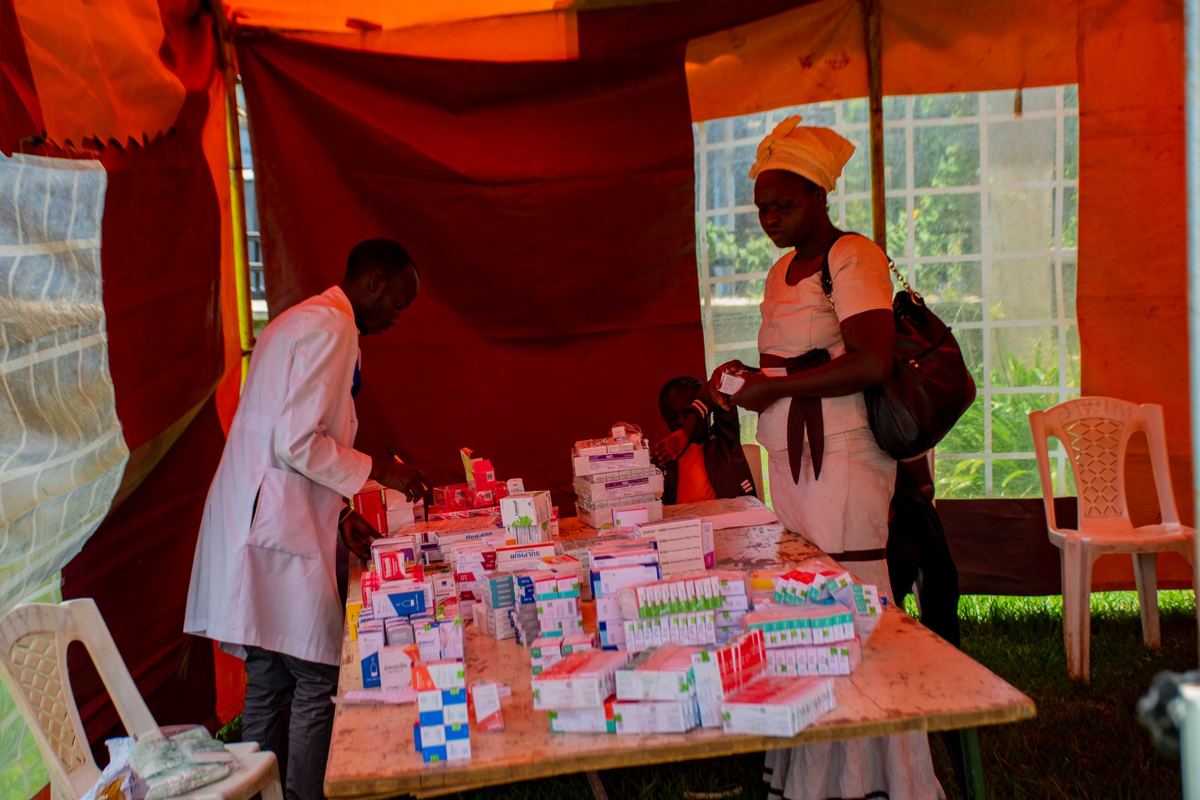
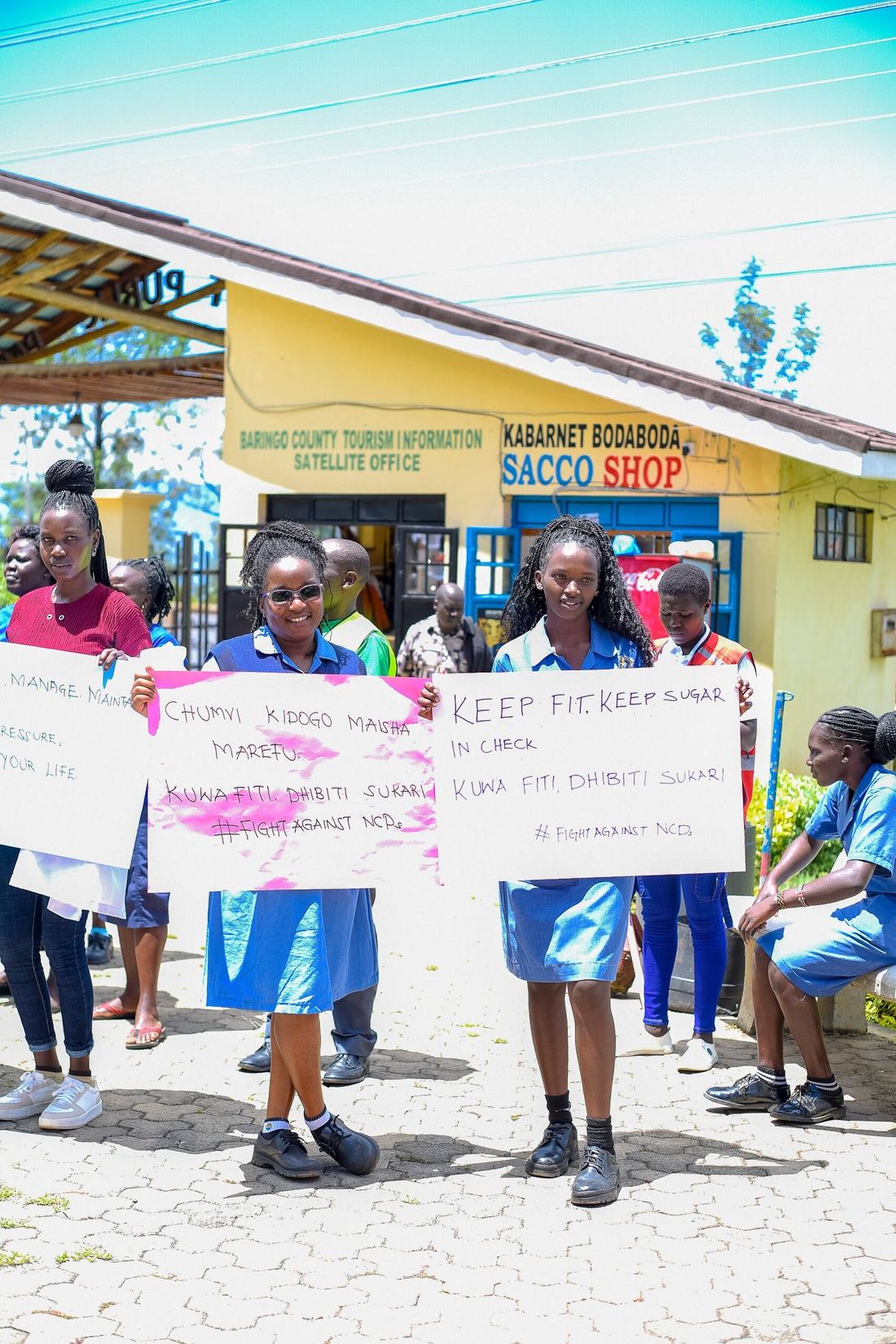
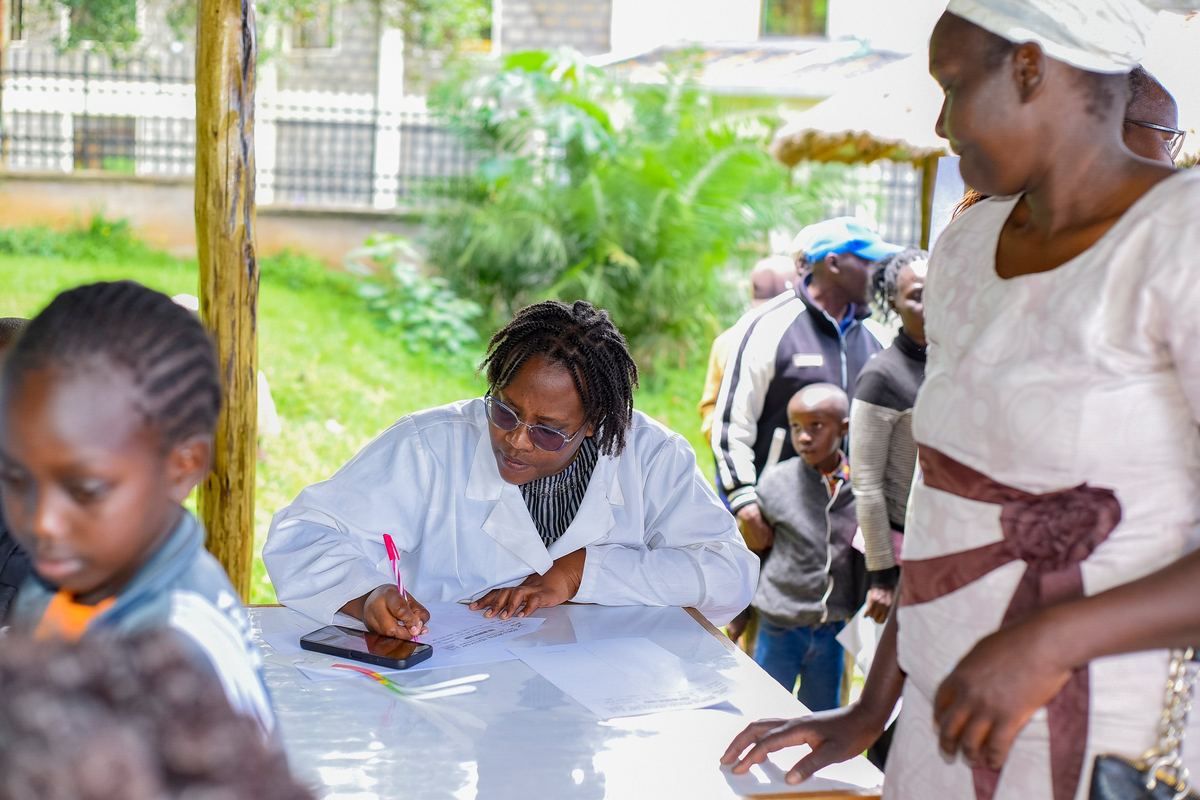
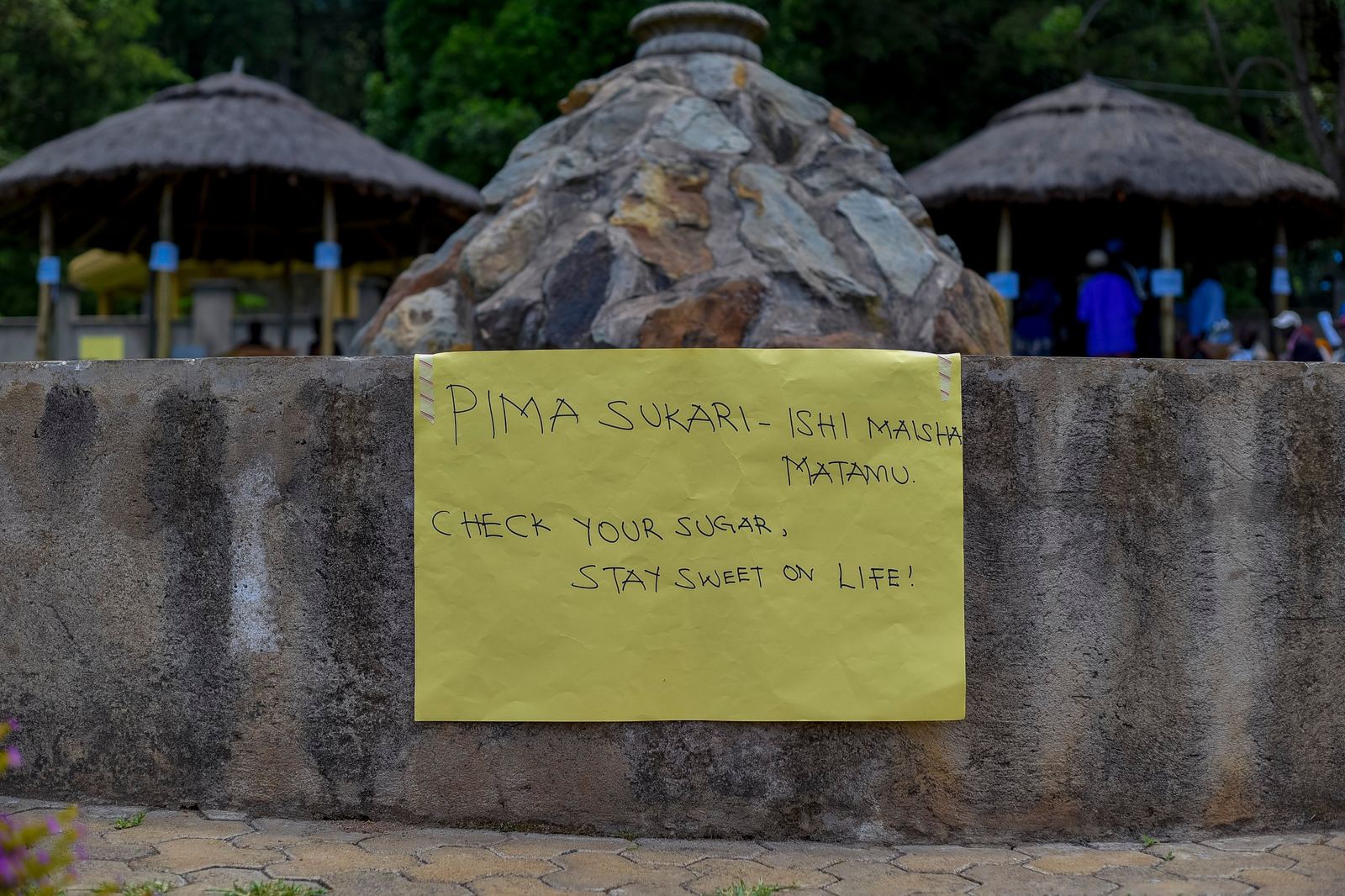
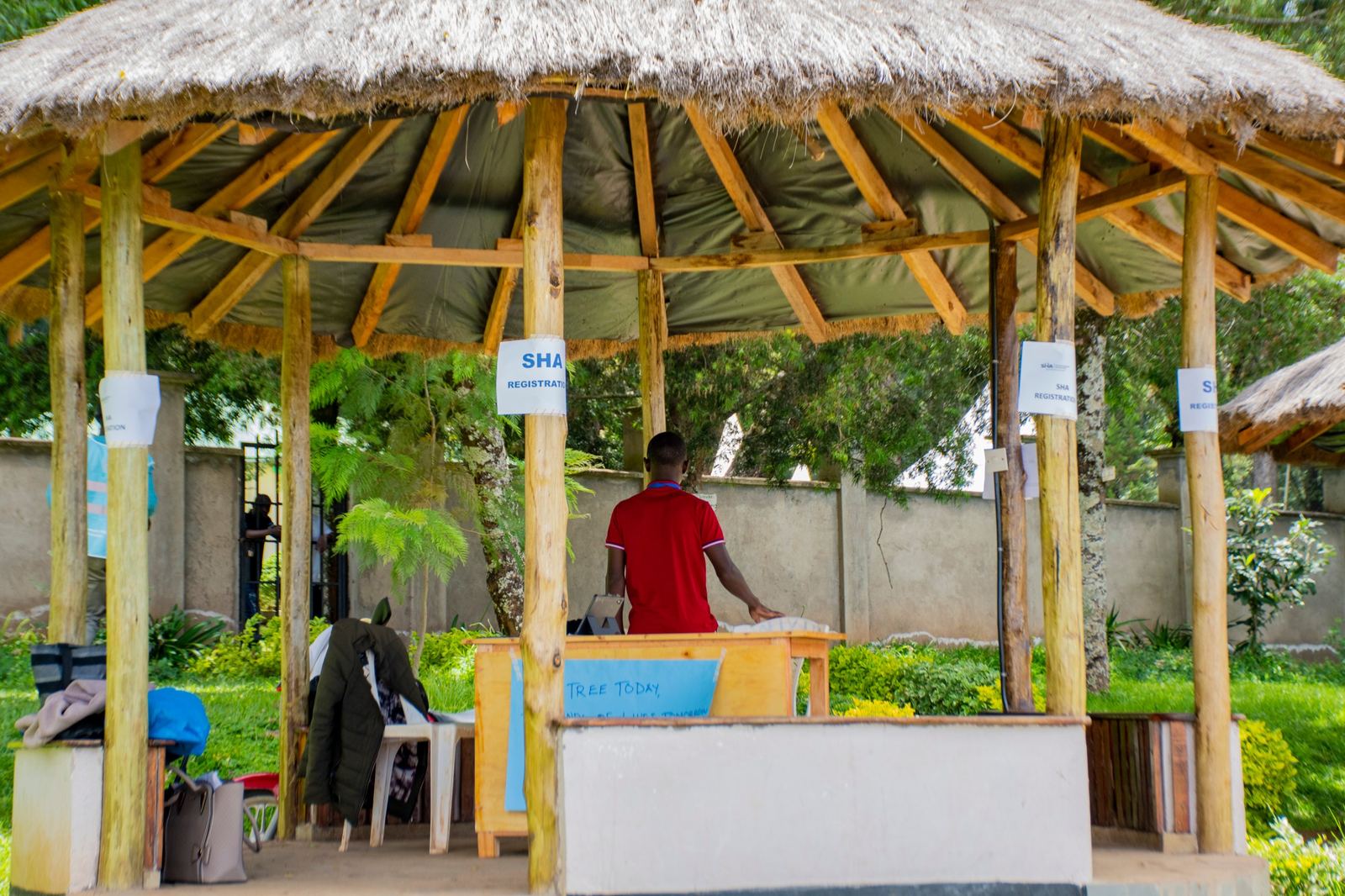
By mid-morning, Kabarnet Park no longer looked like a park. Striped maroon-and-yellow tents had gone up, each with a handwritten sign: Triage, Consultation, Laboratory Services, Pharmacy. Green hospital screens made private booths on the open lawn.
Long arcs of white plastic chairs filled with grandmothers in headscarves, elders leaning on walking sticks and parents with children on their laps, many holding their forms like tickets. Some had walked a long way. Many had never had their blood pressure measured.
By the end of the day, 383 residents had been seen: screened, counselled, treated where possible and, where needed, referred.
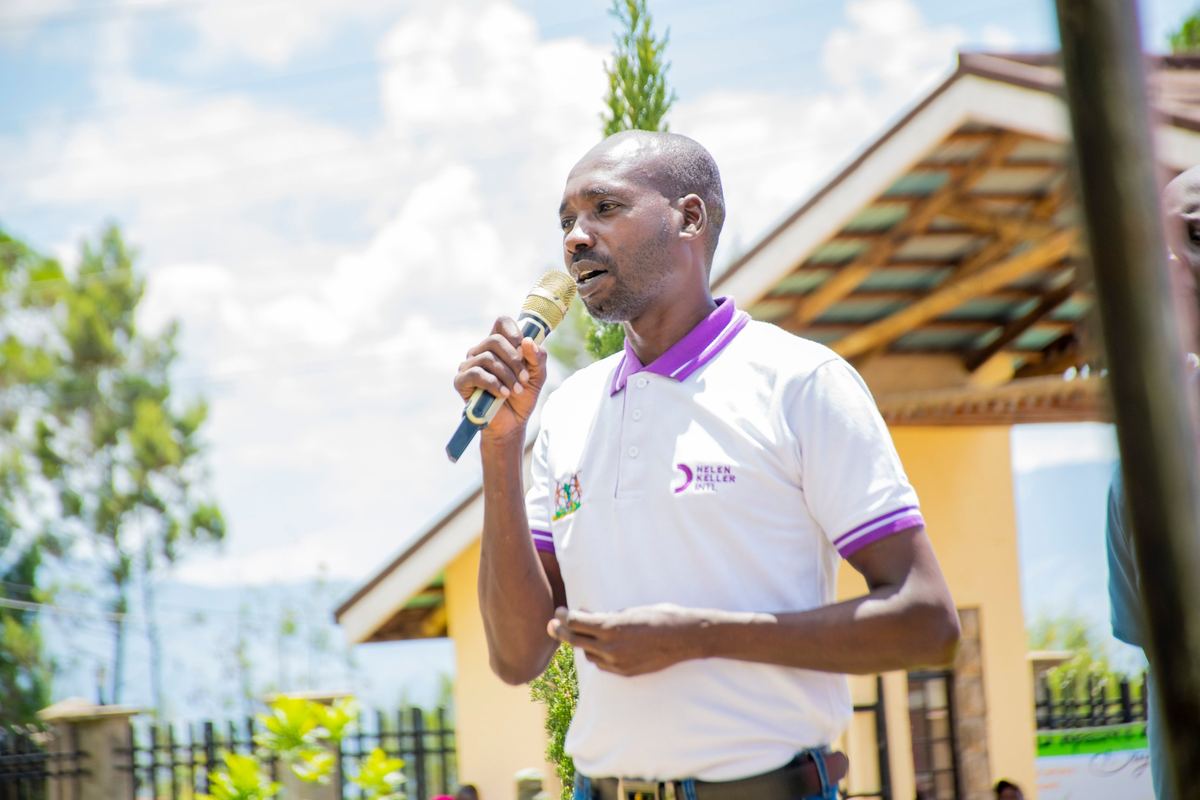
Nobody likes waiting, so we made the wait count. Health educators, microphone in hand, walked the rows of chairs and spoke in plain language about the two conditions most likely to shorten lives in the room: high blood pressure and diabetes.
What does 140/90 actually mean? Why does a little extra salt every day matter over twenty years? Why should you keep taking your tablets when you feel perfectly fine? Questions came back from the chairs, and neighbours answered each other.
By the time a name was called for screening, that person already knew what their numbers meant, and what to ask the clinician.
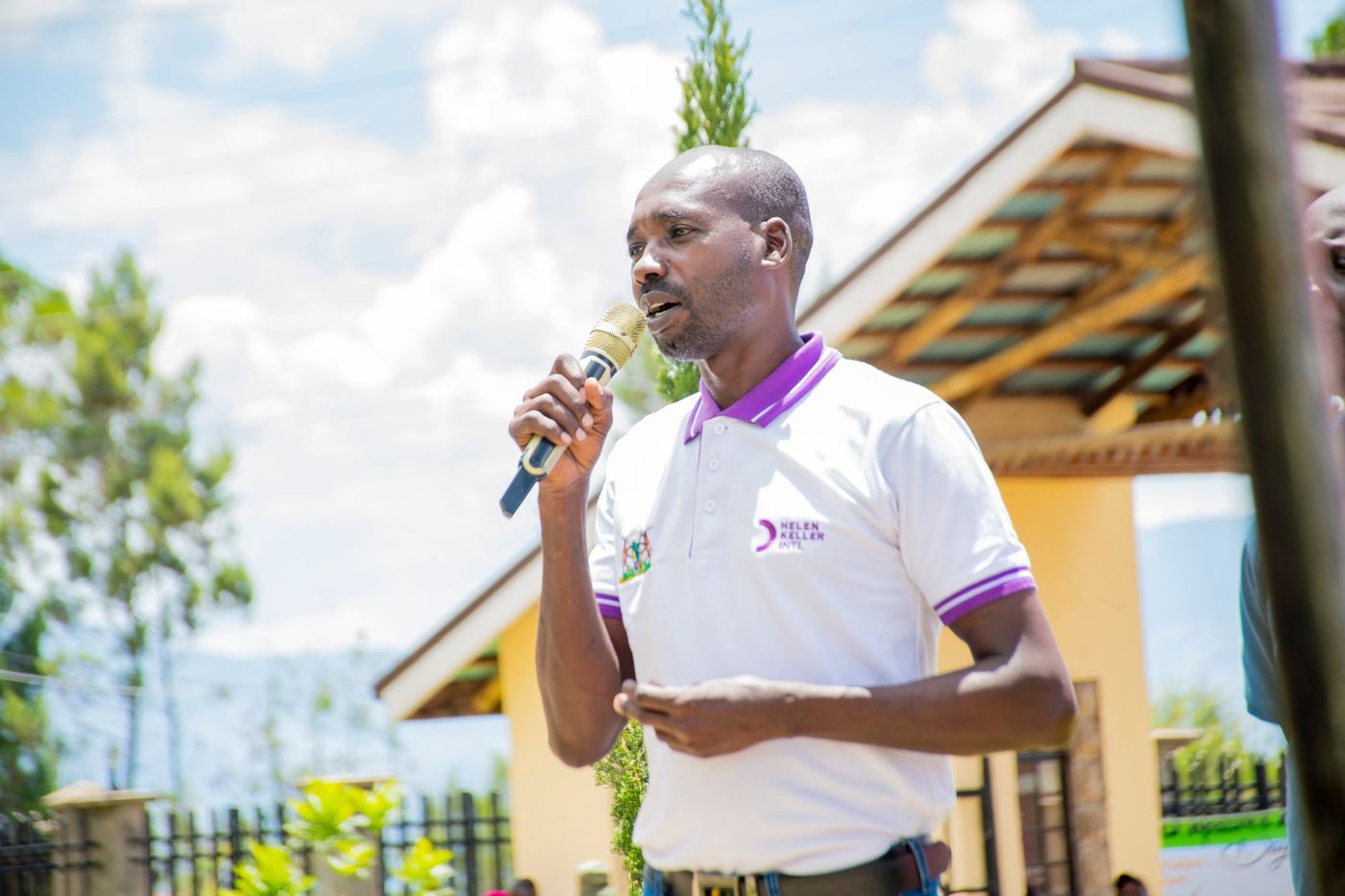
The same simple lessons we share at every outreach.
These numbers are a guide, not a diagnosis. Only a health worker can confirm hypertension or diabetes, so if your reading is high, visit your nearest health facility.
A single screening finds the problem. Follow-up is what saves the life.Why we are building Afya LOOP
A health day is only the beginning. The hardest part of living with high blood pressure or diabetes is the years that follow: refilling medicines, returning for checks, changing habits when nobody is watching.
The evidence is encouraging. In one Kenyan county programme that combined screening with structured follow-up, diabetes control rose from about 20% to around 45%, and follow-up rates improved by more than 31%.[2] Families affected by these diseases can spend up to 28% of their household income managing them, so keeping people well also keeps households afloat.[2]
That is why we are building Afya LOOP, a simple, secure follow-up system for community health promoters, so that every person found with a high reading is called back, reminded and supported. And we plan to take the health day itself to more communities across Baringo, starting with those furthest from a health facility.
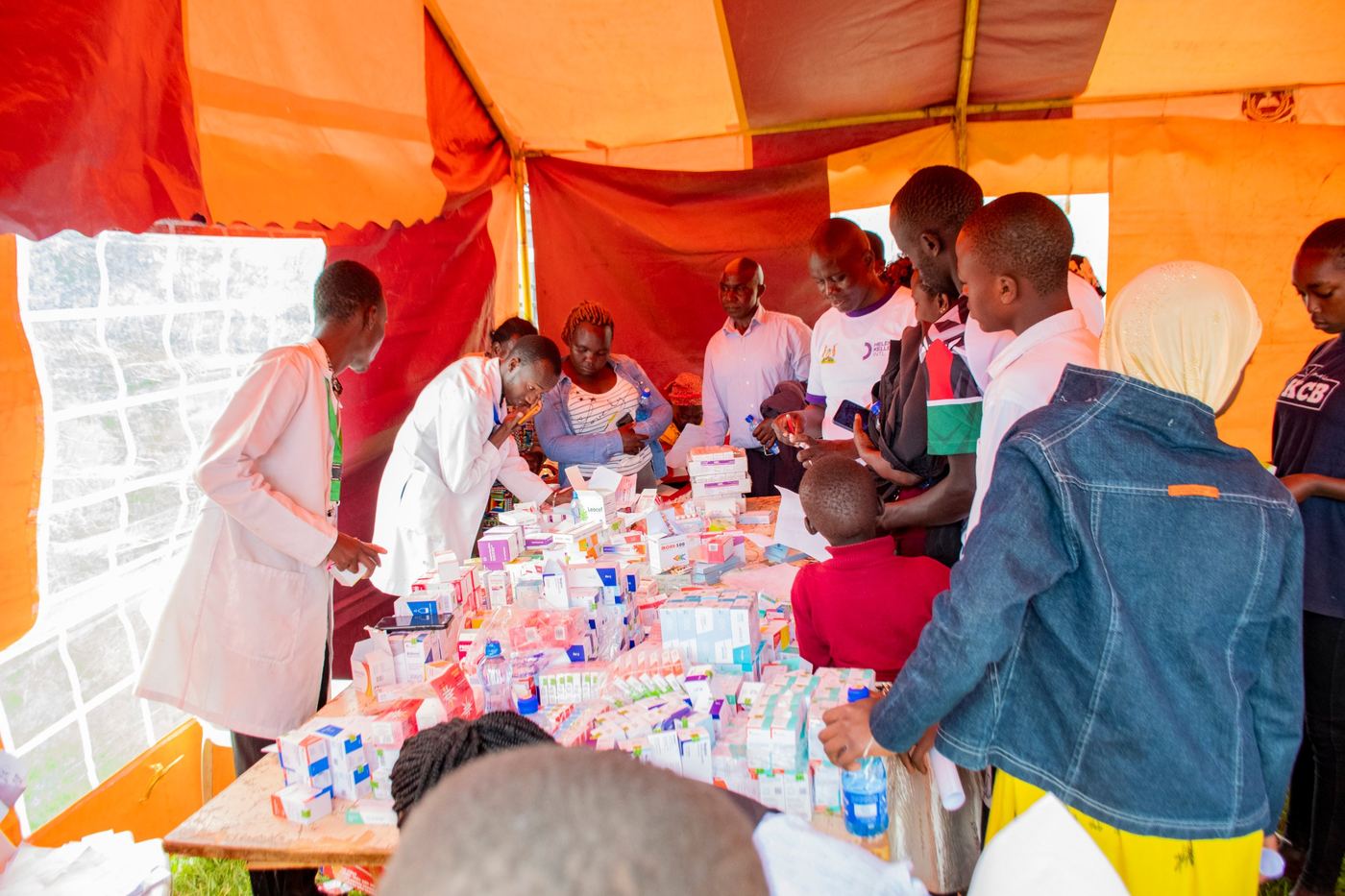
Tap any photo to see it larger.
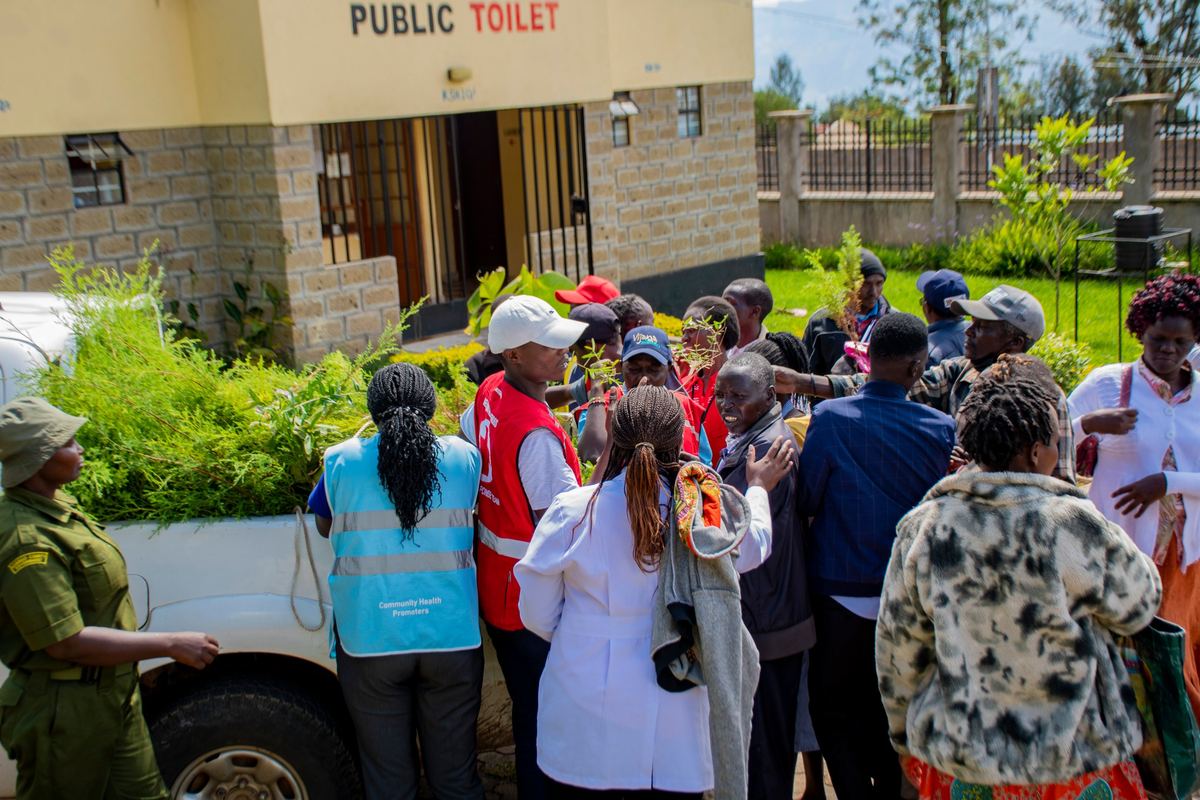
Partner with us, donate medicines and screening supplies, or volunteer as a health professional.
Safe spaces where young people speak openly, learn coping skills and find their way to help.
Read more →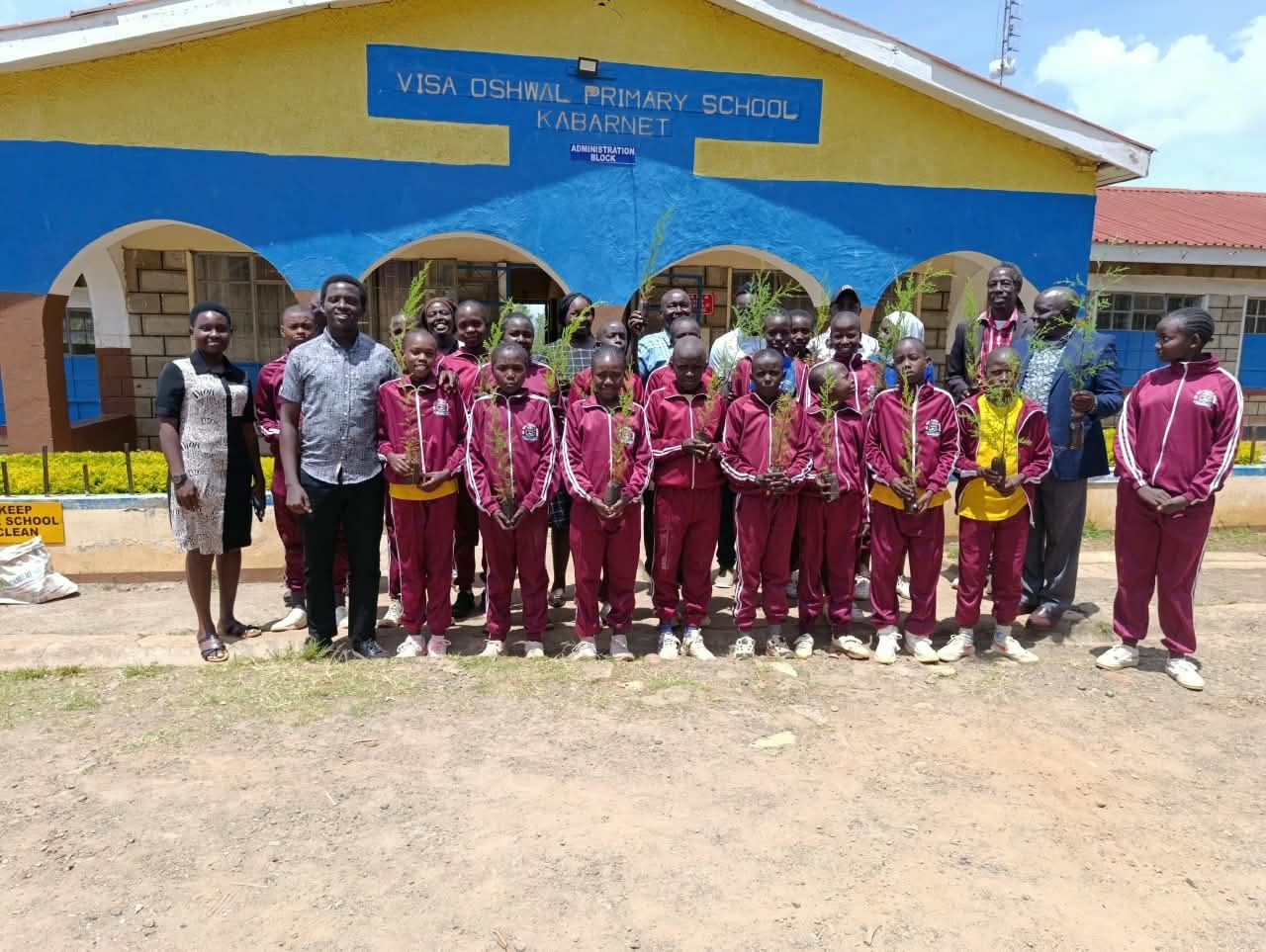
Where our journey began: planting trees with learners at two schools in Baringo.
Read more →Keeping sanitary pads stocked inside boarding schools so no girl misses a day of learning.
Read more →