
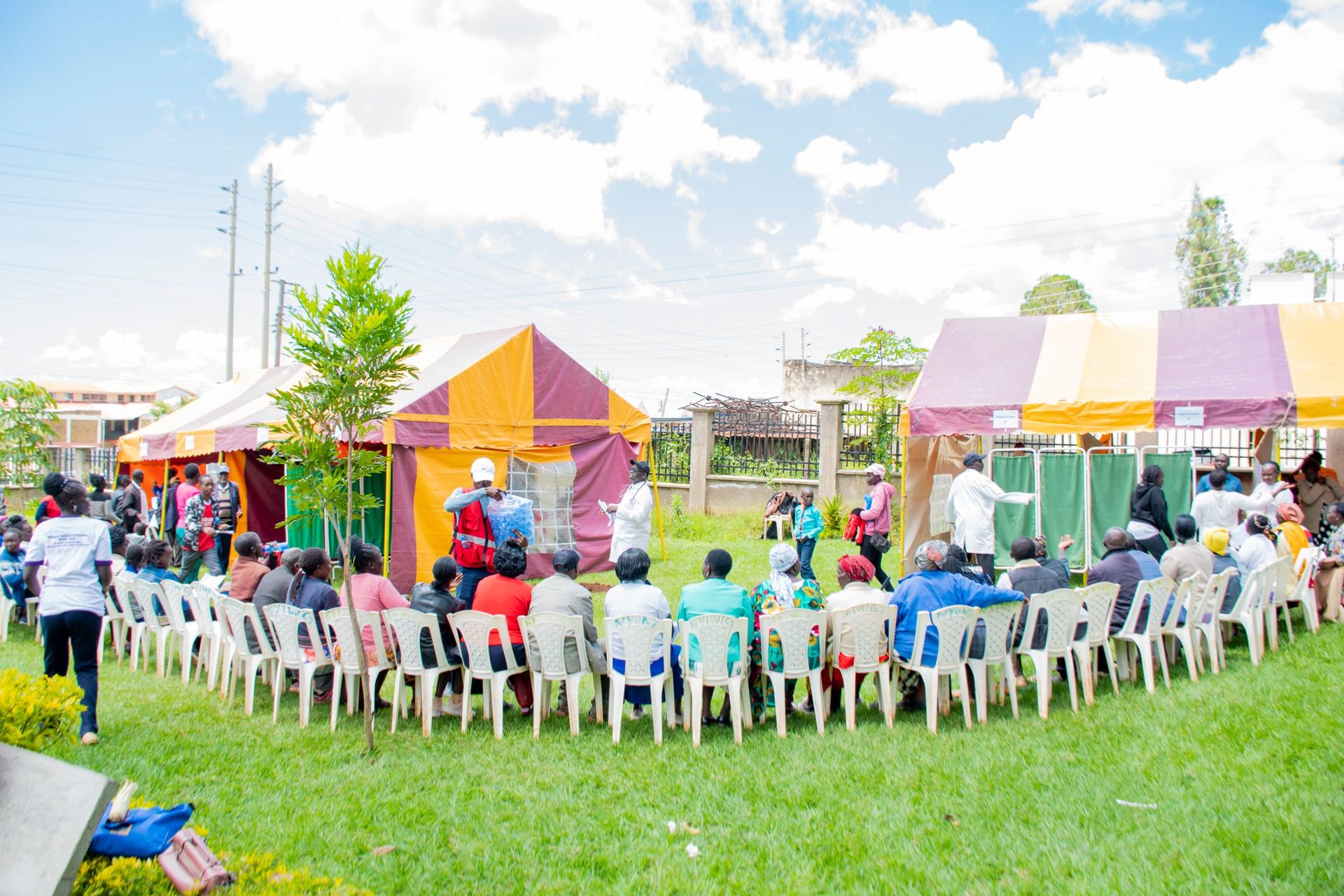
Know Your Numbers
Health education and free screening for diabetes and high blood pressure, brought to where people live.
Read more →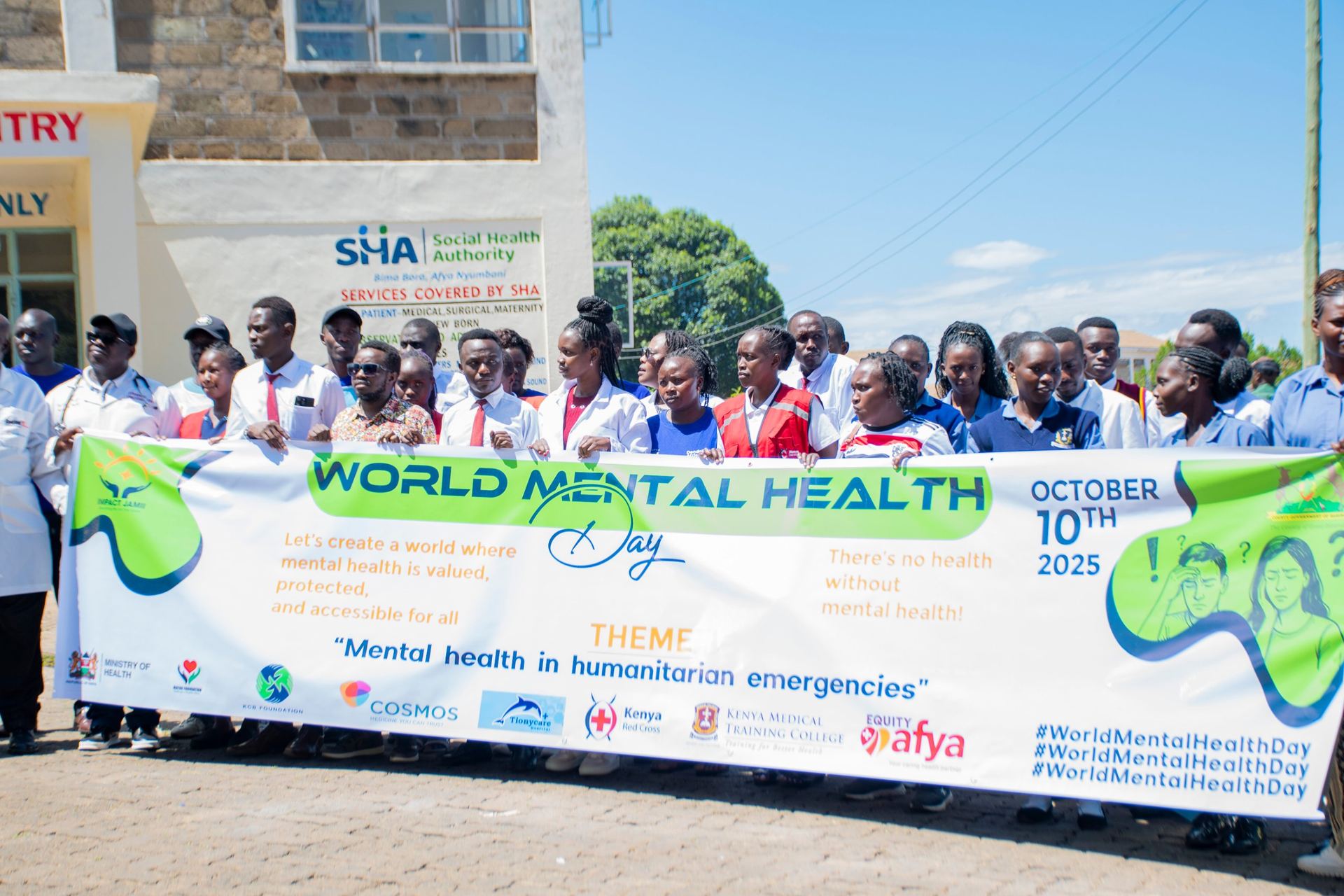
Home / What We Do / Mental Health & Wellbeing
Let's Talk · Youth Mental HealthThrough Let's Talk, we create spaces where young people and communities can say the hardest sentence out loud, "I'm not okay", and find their way to support.
In 2020, Kenya's own Taskforce on Mental Health reached a stark conclusion: mental illness should be treated as a national emergency of epidemic proportions. Depression and anxiety top the list of diagnoses. Alcohol misuse peaks among young people aged 18 to 29. And behind every statistic is someone who did not know how to ask for help, or was afraid of what people would say.
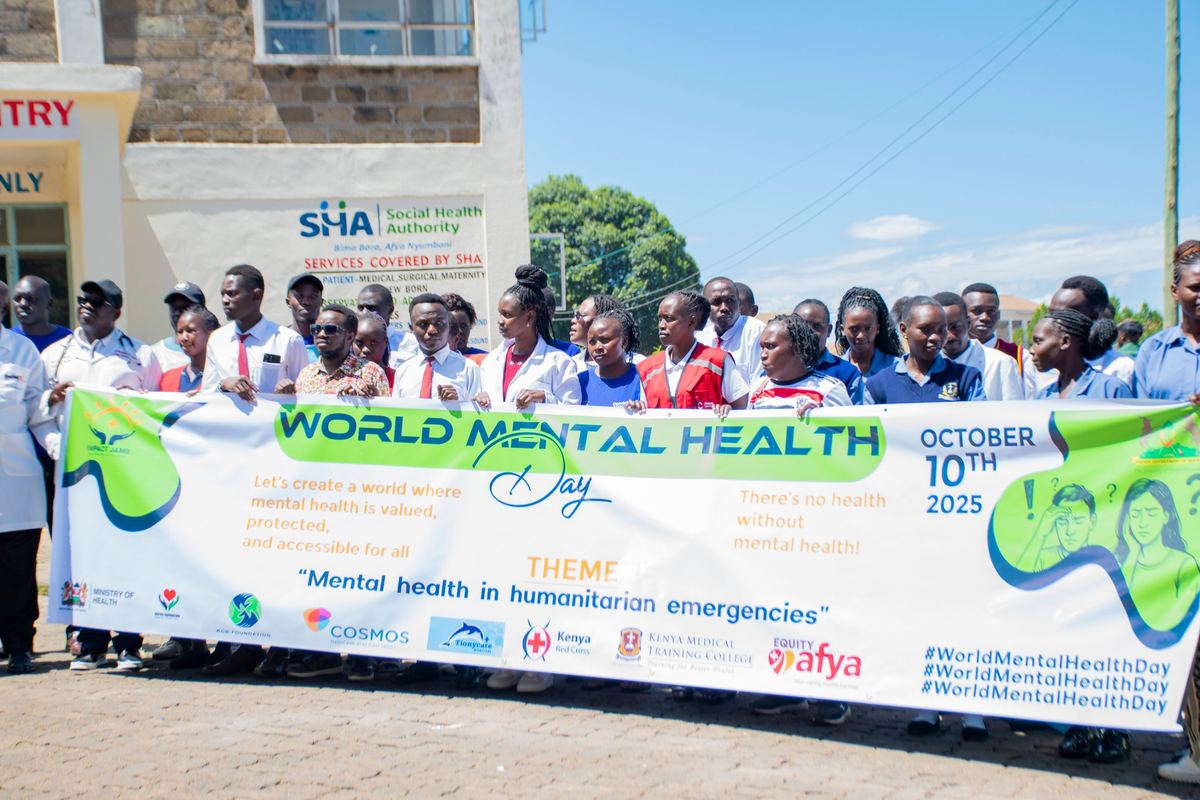
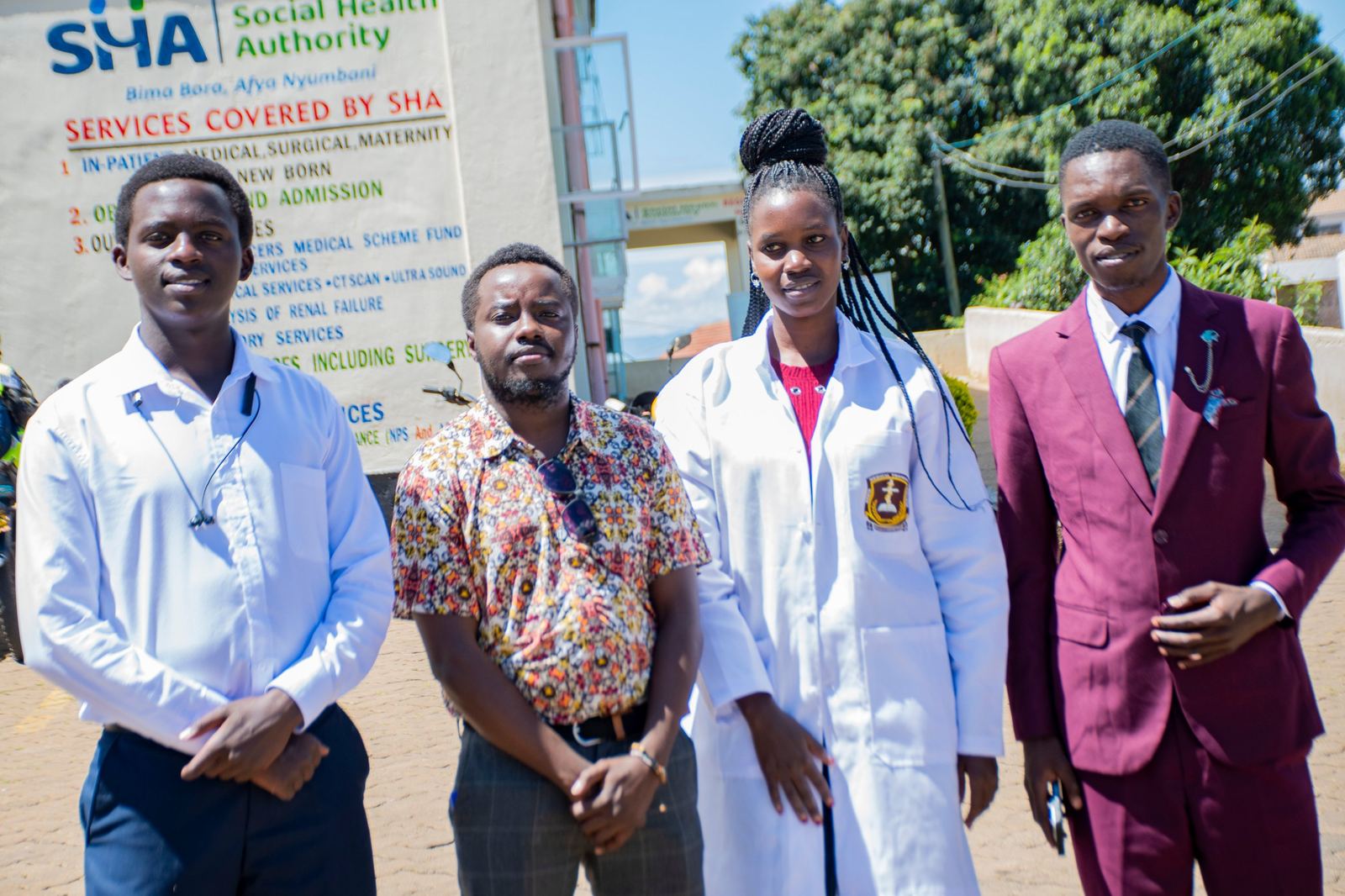
On 10 October 2025, a long green-and-white banner stretched across a street in Kabarnet. Holding it were health workers in white coats, Kenya Red Cross volunteers, students, partners and young people from Impact Jamii, standing shoulder to shoulder behind one sentence:
"Let's create a world where mental health is valued, protected and accessible for all."
A few steps away, hundreds of residents were having their blood pressure and sugar checked at our Health and Wellness Campaign. That was deliberate. Mental health belongs right next to physical health, not in a separate, whispered conversation.
Mental health in humanitarian emergencies.The global theme for World Mental Health Day 2025, and closer to home in Baringo than many people realise
For many, "humanitarian emergency" sounds like somewhere else. But Baringo knows crisis well: repeated droughts that wiped out pasture and herds, and the rising waters of Lake Baringo and Lake Bogoria that, between 2013 and 2020, submerged homes, schools and health facilities and displaced families.[2]
Losing your home, your animals or your livelihood does not only hurt the body or the pocket. It brings grief, anxiety, hopelessness and, too often, alcohol and drugs as a way to cope. Young people carry much of that weight quietly.
That is why our conversations on the day were not abstract. They were about real pressures in real families, and about the fact that asking for help is a strength.
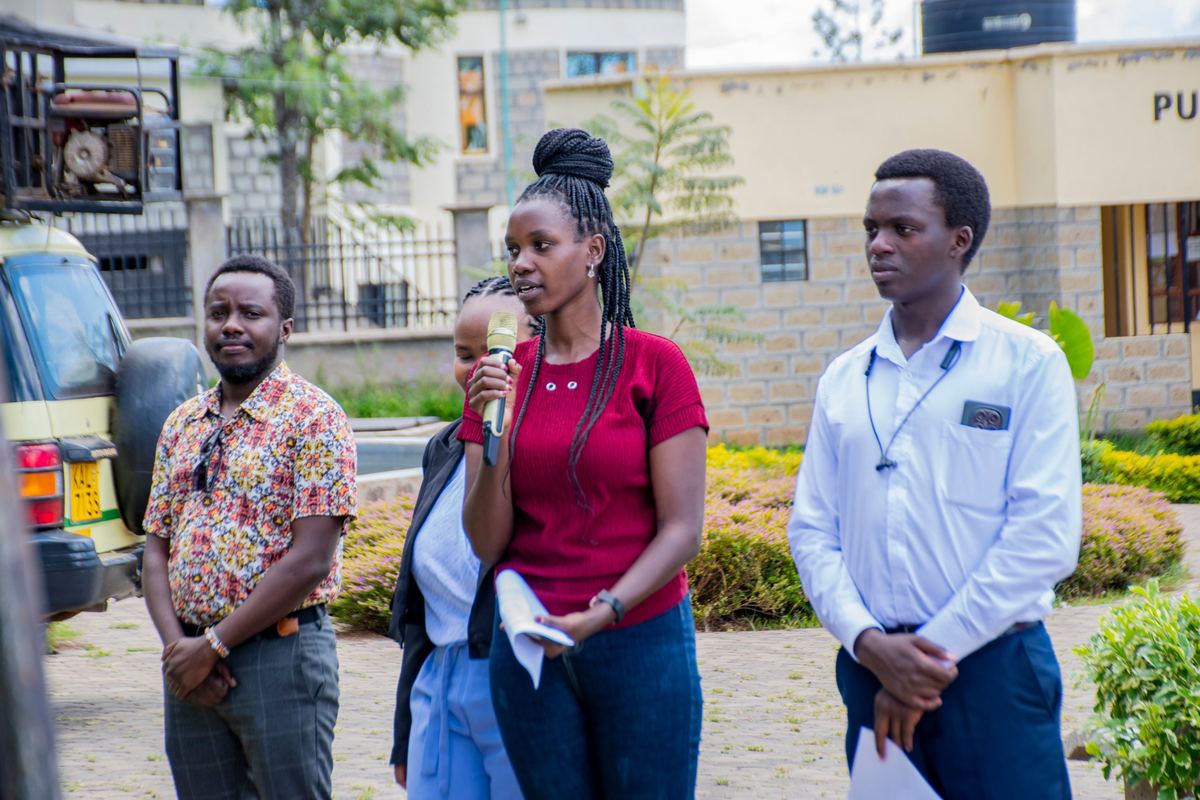
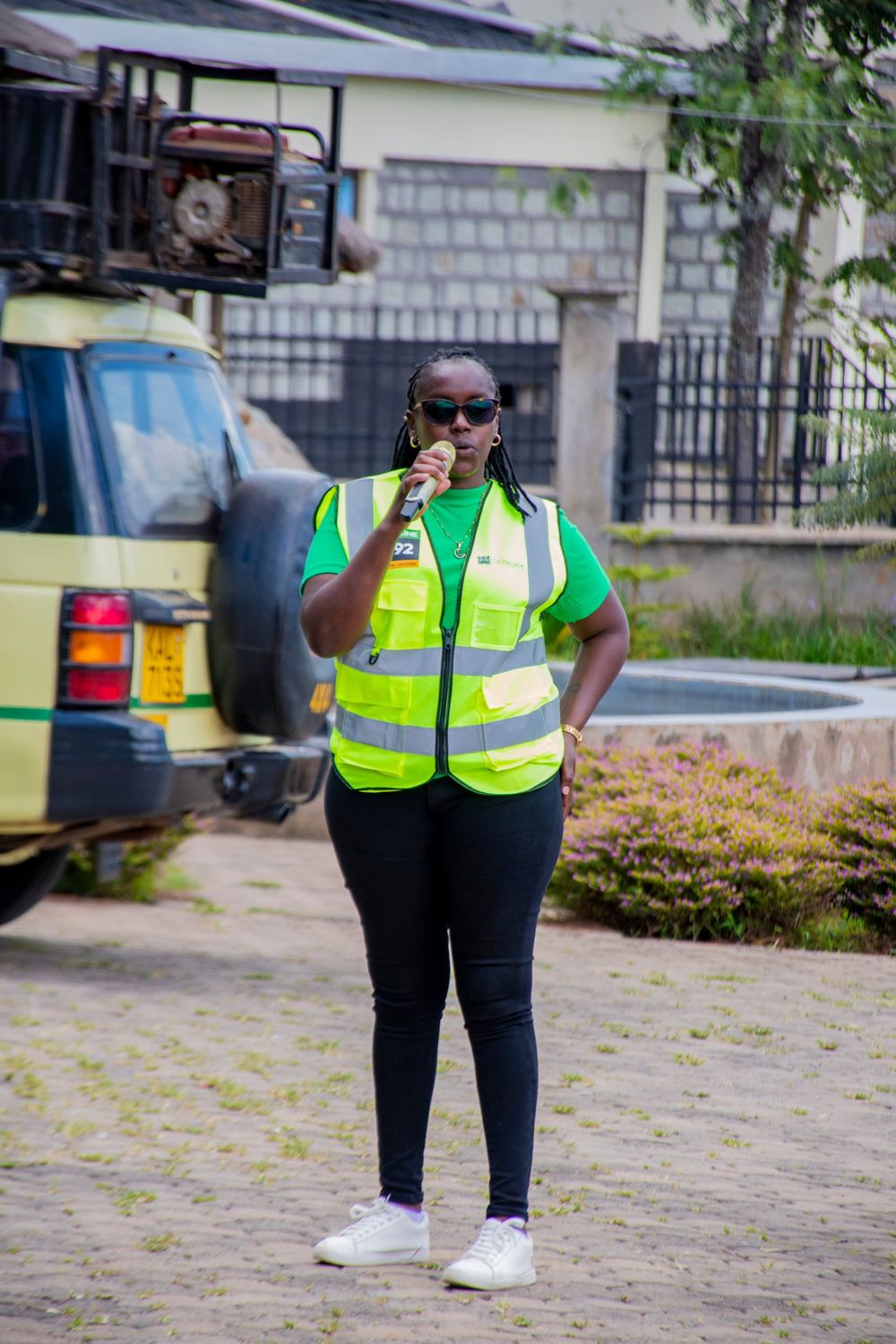
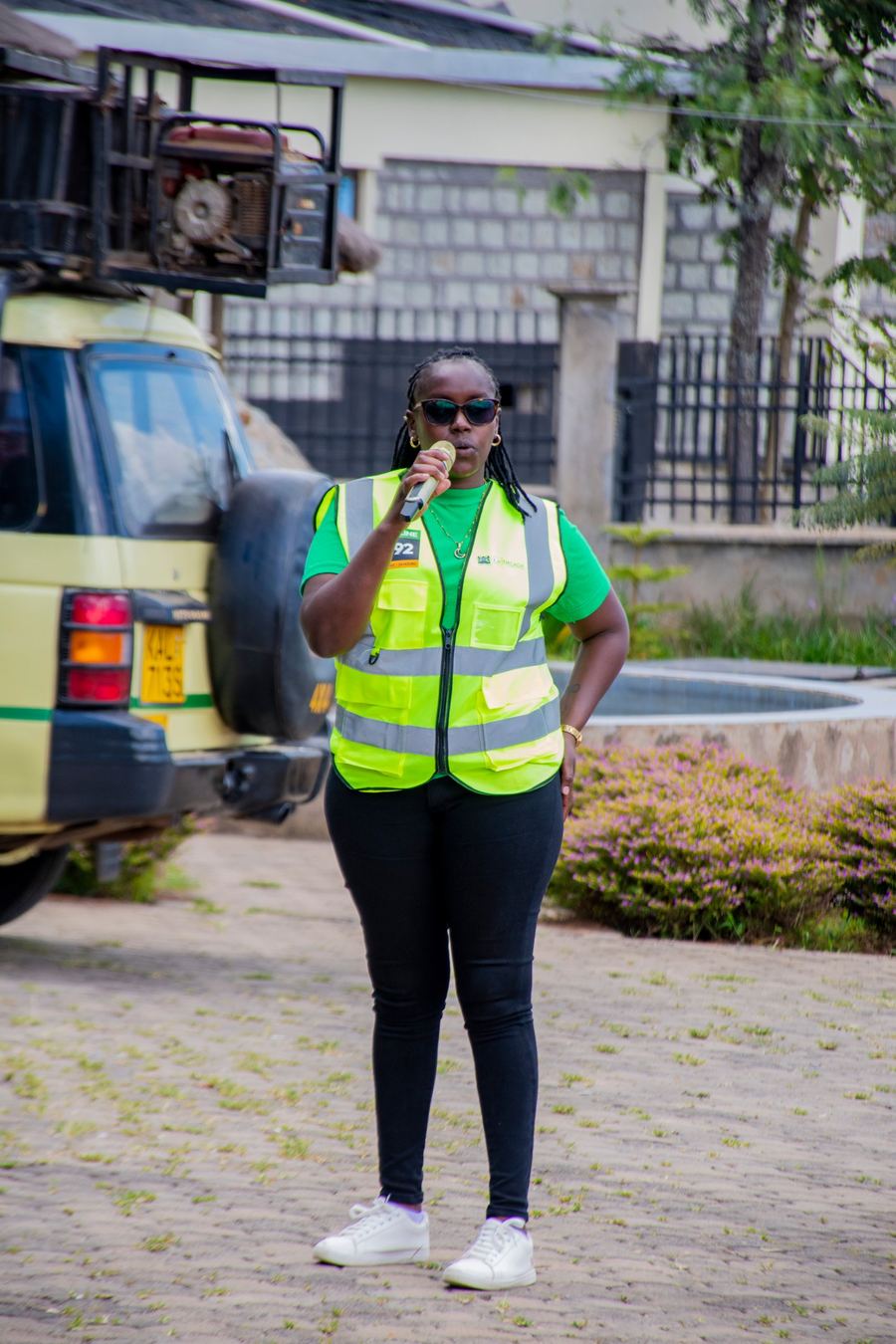
An officer from NACADA, the National Authority for the Campaign Against Alcohol and Drug Abuse, took the microphone to speak about mental health and wellbeing, and about the link between substance use and how people feel.
Young people from our own team spoke too. Their message was simple: what you are feeling is real, it is common, and help exists.
Silence is often the biggest barrier. When someone stands up in public and says "this is normal, and you can get help", it gives everyone listening permission to speak.
Small groups of young people meet with a facilitator. What is shared in the circle stays in the circle.
Stress, exams, family, relationships, loss, money: the things young people actually carry, talked about without judgement.
Practical ways to manage stress and difficult emotions, and to spot when a friend is struggling.
Why alcohol and drugs can feel like relief, and how they make anxiety and depression worse over time.
Public events, school sessions and community dialogue that make it normal to talk about mental health.
When someone needs more than a conversation, we connect them to counsellors and health facilities.
If you or someone you know is struggling, these free services in Kenya can help.
In an emergency, go to the nearest health facility or call 999 / 112.
Tap any photo to see it larger.
Invite Let's Talk to your school or community, volunteer as a counsellor or youth champion, or support mental health clubs in schools.
Health education and free screening for diabetes and high blood pressure, brought to where people live.
Read more →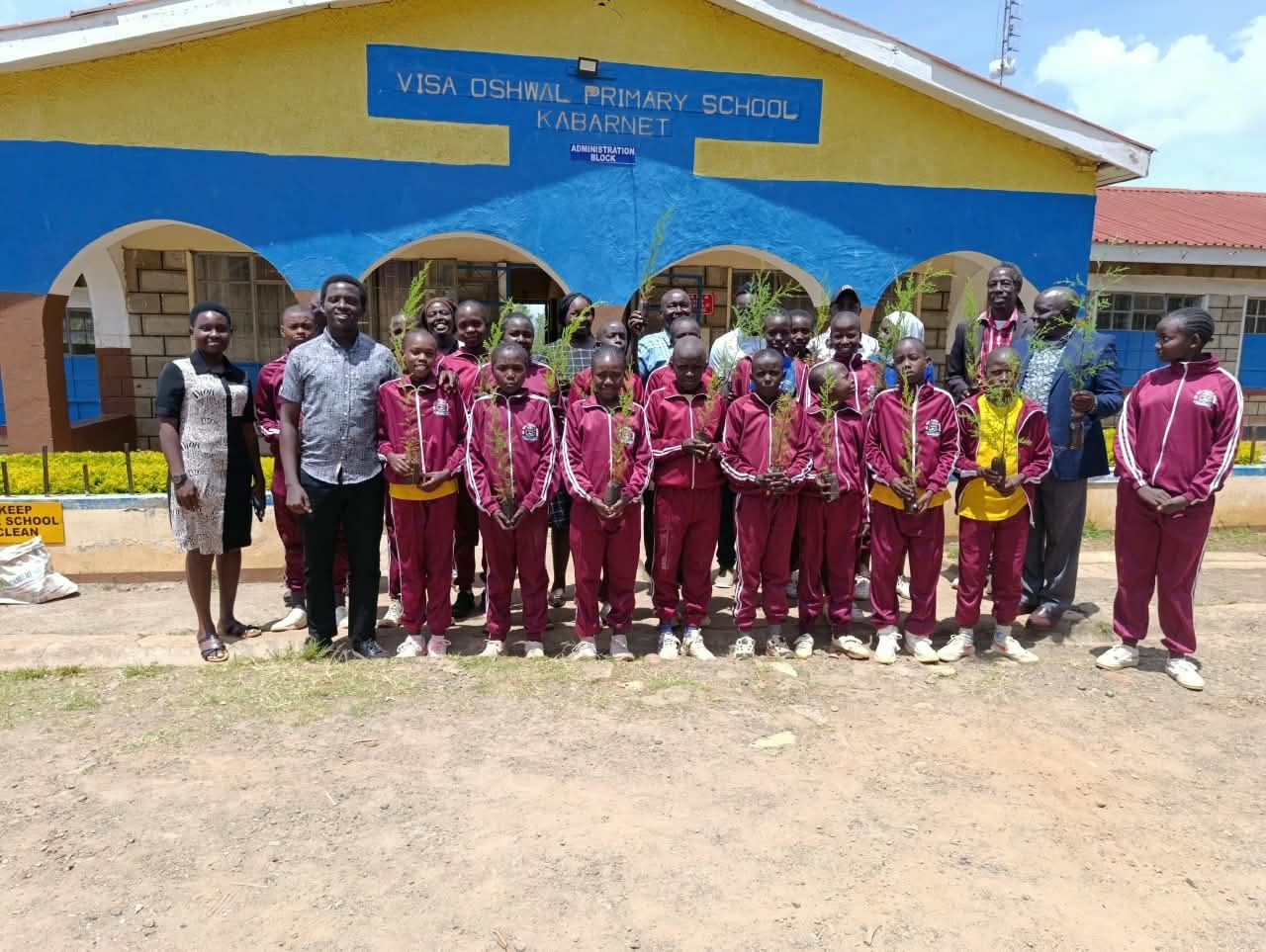
Where our journey began: planting trees with learners at two schools in Baringo.
Read more →Keeping sanitary pads stocked inside boarding schools so no girl misses a day of learning.
Read more →