
Know Your Numbers
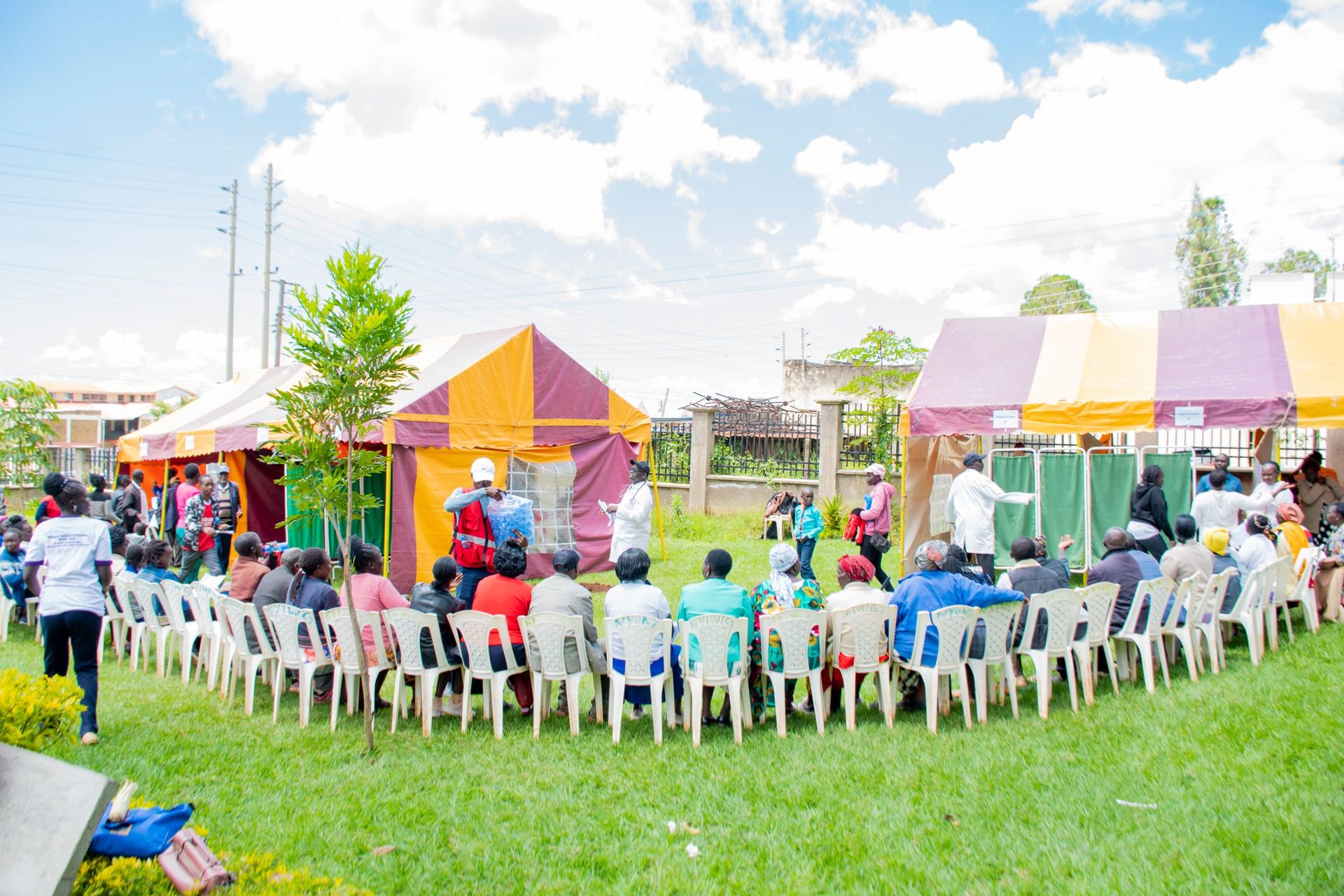
Health education and free screening for diabetes and high blood pressure, brought to where people live.
Read more →
Home / What We Do / The Pad Bank
SRHR · Innovation SpotlightIn a boarding school, the pads a girl carries from home have to last the whole term. The Pad Bank makes sure that when they run out, her learning doesn't stop.
It is week five of term. The packet she brought from home is finished. There is no shop inside the school fence, no parent to call who can afford another, and she is too embarrassed to ask. So she folds tissue, or a piece of cloth, and spends the day worrying about her uniform instead of listening to her teacher. Tomorrow, she may not come to class at all. For too many girls in Kenya, this is not a one-off. It happens every month.
Kenya has made real commitments. Since 2017, the law has made it the government's job to provide free sanitary towels to every school-going girl, and the national Menstrual Hygiene Management Policy (2019–2030) aims for every girl to have safe, affordable products and the knowledge to use them.[2]
But a commitment in Nairobi does not always reach a dormitory in Baringo on the day a girl needs it. In a boarding school, the gap is sharpest: she cannot slip out to a shop, and she may be weeks away from the next visit home.
That is the gap the Pad Bank is designed to close: not a one-off donation day, but a supply that stays inside the school for the whole term.
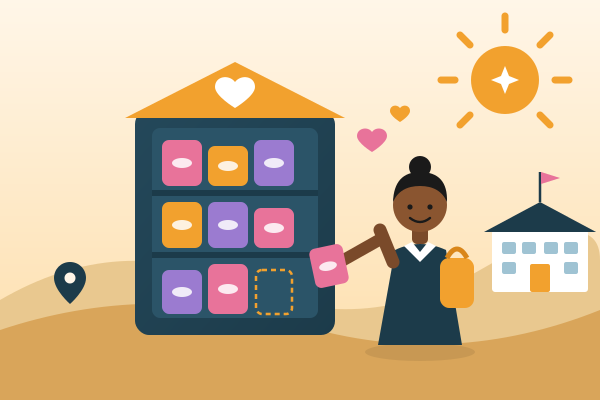
A simple model that any school, partner or well-wisher can be part of.
Well-wishers, partners and businesses donate packs of sanitary pads, or funds to buy them, for a school term.
One term of supply, sponsored once.We stock a Pad Bank in each partner boarding secondary school, kept by a trusted teacher, matron or school nurse.
Inside the school, all term long.Girls who run out collect pads discreetly and with dignity, alongside menstrual health talks, so learning never stops.
No questions, no shame.Dignity shouldn't run out halfway through the term.The idea behind the Pad Bank
Pads alone don't solve period poverty. In the same 2024 study, most girls worried about privacy when changing at school, more than half lacked both clean water and soap for handwashing, and many reported teasing from boys.[2]
That is why every Pad Bank is kept by a trusted adult and works discreetly. A girl does not need to explain herself to anyone. And it is why the Pad Bank comes with menstrual health talks: so girls understand their bodies, boys learn respect instead of ridicule, and periods stop being a secret to hide.
When a girl knows the Pad Bank is there, she can stop counting the days until the end of term, and start counting her achievements.
Sponsor a Pad Bank, donate supplies, or bring the Pad Bank to your school.
Health education and free screening for diabetes and high blood pressure, brought to where people live.
Read more →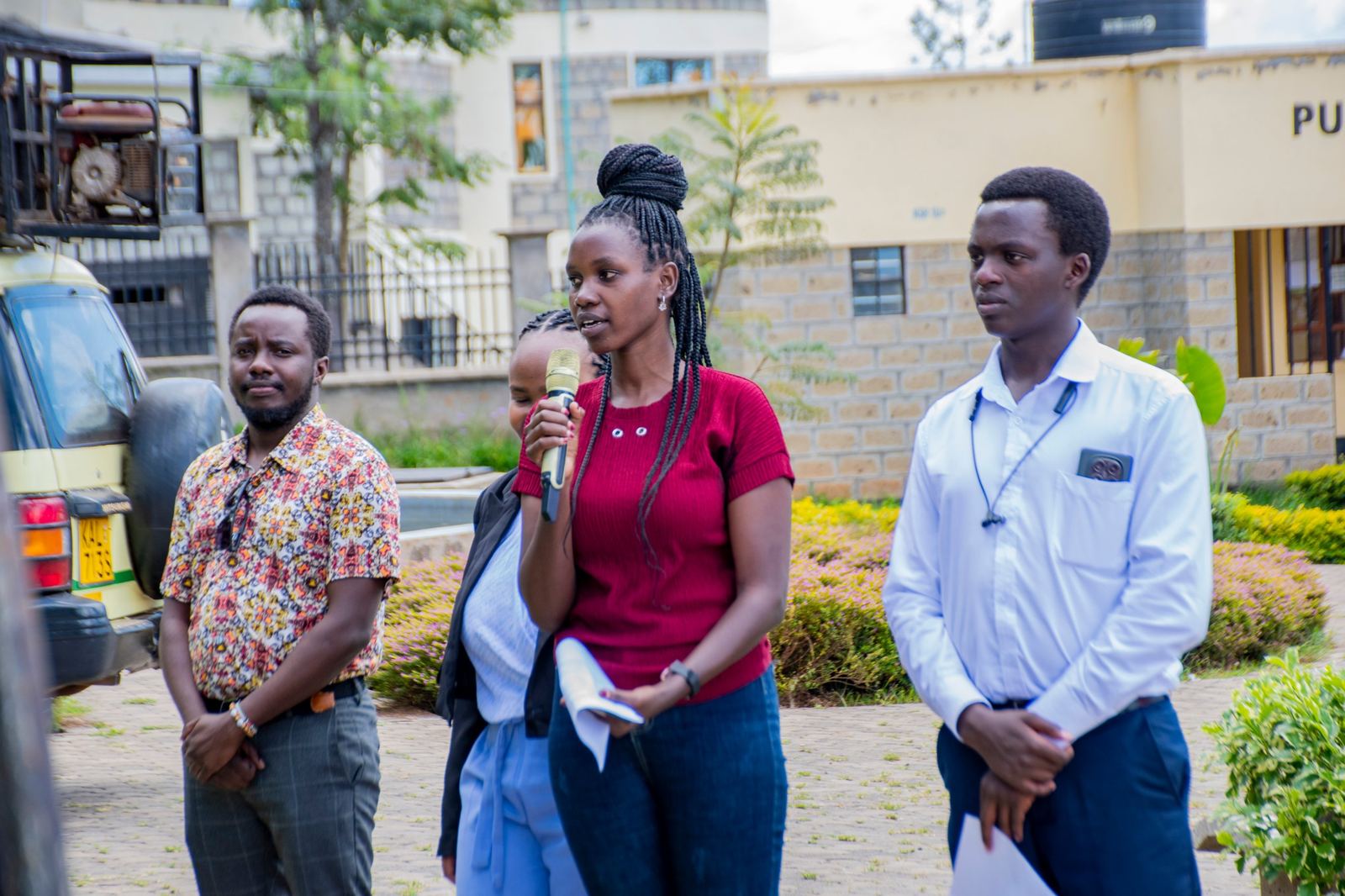
Safe spaces where young people speak openly, learn coping skills and find their way to help.
Read more →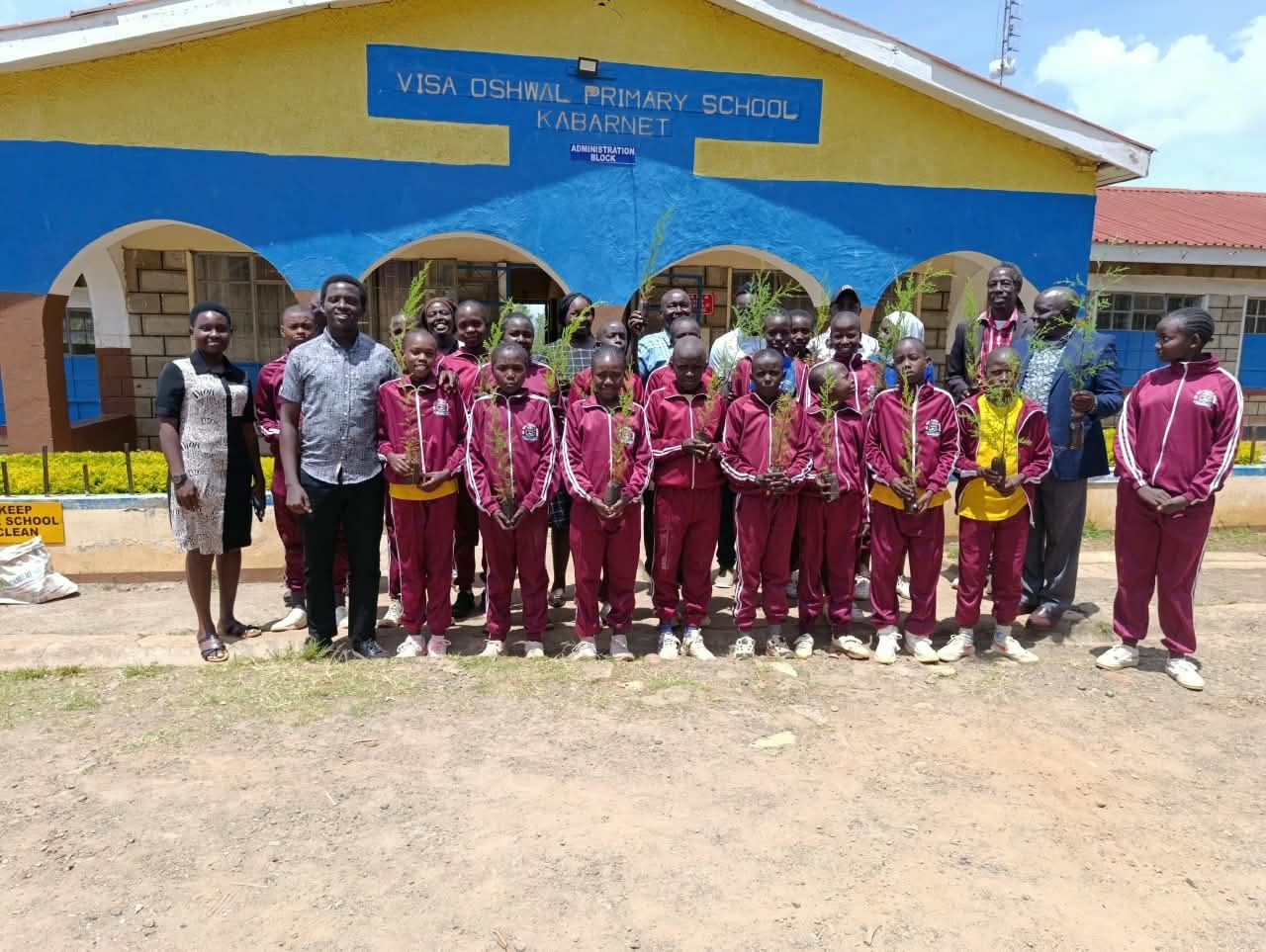
Where our journey began: planting trees with learners at two schools in Baringo.
Read more →